NEWS

What are you interested in?

All topics
Arts
Social Sciences
Life Sciences
Medicine
Management
Engineering
Law
Humanities
General
Exact Sciences
Environment
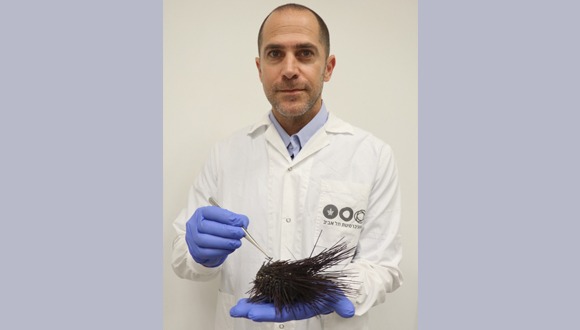
Prof. Noa Shenkar (photo: Hadas Zion)

Research

Dec 11th, 2022
Plastic Additives Harm Corals' Reproductive Processes

Tel Aviv University researchers examined four chemical additives that are used in consumer products, including food packaging, toys, medical devices, and adhesives

  • Life Sciences
  • Environment

A new study by Tel Aviv University and the Interuniversity Institute for Marine Sciences in Eilat examined the effect of plastic additives on the reproductive process and larvae development of corals and other organisms commonly found in the coral reef of Eilat.


Plastic additives are chemicals that are added to plastic products during manufacturing, and many of them are known to be endocrine disrupting compounds. The current study shows that these chemicals can have species-specific effects that may damage the population structure and biodiversity of coral reefs.


The study was led by Ph.D. student Gal Vered of the Interuniversity Institute for Marine Sciences in Eilat and Tel Aviv University, and Prof. Noa Shenkar of Tel Aviv University’s School of Zoology in the George S. Wise Faculty of Life Sciences and the Steinhardt Museum of Natural History. The study was published in the prestigious journal Environmental Pollution.


The researchers focused on four organisms: a stony coral, a soft coral, a fire coral, and a solitary ascidian. These organisms play an important role in the ecology of tropical coral reefs, and damage to their reproduction and development may affect the structure of the reef community.


In addition, the researchers examined four chemical additives that are widely used in plastic products, and which have been found in seawater in tropical areas inhabited by coral reefs. Two of these were phthalate chemicals, which are used to soften and increase the flexibility of different types of plastic and can be found in a wide variety of consumer products such as food packaging, toys, medical devices, and adhesives. The others were 4-nonylphenol a stabilizer used in plastic packaging and as an additive in cleaning agents, and bisphenol A found in polycarbonate plastic that is used for food and beverage packaging, baby bottles, boxes, and more. The European Chemicals Agency has classified bisphenol A as a substance that may cause damage to human fertility, based on evidence found in laboratory animals.


"To better understand the impact of plastic additives on this endangered ecosystem, we suggest developing better methods for measuring the actual concentrations within the tissues of the organisms to produce relevant risk assessments.” Prof. Noa Shenkar


Selective Effect on Different Species

“Plastic additives are chemical additives that are incorporated into plastic products during the manufacturing process," explains Gal Vered. "These substances reach marine environments through plastic waste and wastewater. Some of them are known to activate or suppress hormonal processes and can therefore disrupt biological systems. However, their effects on organisms in coral reefs have hardly been studied."


"The structure of the coral reef population depends on the success of the reproduction, development and settlement of corals and other reef organisms. Interference with their hormonal systems may affect the chances of success of these processes, and an uneven effect on the different species may lead to a change in the community’s structure and damage to the entire system.”


The researchers conducted a series of exposure experiments in which the effects of the plastic additives were tested at environmentally relevant concentrations in seawater, and at higher laboratory concentrations. The parameters measured were fertilization, larvae development, larvae survival, and larvae settlement and metamorphoses.


The environmentally relevant concentration of 4-nonylphenol was found to inhibit larvae settlement in the soft coral, while a high concentration of the same compound damaged the fertilization, development, and settlement of all the studied organisms. The higher laboratory concentration of one of the studied phthalate chemicals damaged the settlement only of the stony coral larvae, and not of the other organisms’ reproductive products. These findings add to the accumulating evidence that plastic pollution has a selective effect on different species.


According to Prof. Shenkar, their findings “demonstrate plastic additives' negative and selective effects on the development and reproduction of coral reef organisms. The environmentally relevant concentrations used in our experiments were concentrations found in seawater; alarmingly, some had deleterious effects on organisms' reproduction. Nevertheless, concentration within organisms’ tissues may reach higher levels as these compounds can potentially bioaccumulate."


"To better understand the impact of plastic additives on this endangered ecosystem, we suggest developing better methods for measuring the actual concentrations within the tissues of the organisms to produce relevant risk assessments.”


"Most of the coral reefs in the world are found in developing countries where the human population is expanding rapidly, and waste management is lacking. Steps towards preventing plastic waste from reaching the environment include proper local waste management that reduces transportation of waste, and sustainable consumption of products regulated for additives.” Gal Vered


The Importance of Proper Waste Management

“Climate change, ocean acidification, and ongoing anthropogenic stressors place coral reefs at existential risk," says Gal Vered. Furthermore, she notes that, "most of the coral reefs in the world are found in developing countries where the human population is expanding rapidly, and waste management is lacking. Steps towards preventing plastic waste from reaching the environment include proper local waste management that reduces transportation of waste, and sustainable consumption of products regulated for additives.”


“We emphasize the importance of proper waste management that will reduce the presence of plastic waste from reaching the marine environment, as well as the need for methods to measure the concentration of chemicals inside the bodies of organisms, in order to assess the possible risk to their reproductive and developmental processes,” the researchers conclude.

Common Medications May Reduce Risk of Metastases after Colon and Rectal Cancer

Research

Dec 8th, 2022
Common Medications May Reduce Risk of Metastases after Colon and Rectal Cancer

Existing drugs to prevent anxiety, stress reactions and inflammation reduced the risk of the spread of cancer metastases after surgery to remove a colon tumor by tens of percent

  • Social Sciences
  • Life Sciences
  • Medicine

Although surgery to remove primary tumors is the mainstay of all cancer treatments, the risk of metastases after tumor removal is estimated at 35% among colon cancer patients, with higher risk in patients with more advance stages of the disease. However, a short, simple, and safe drug treatment developed at Tel Aviv University reduced the risk of the spread of cancer metastases after surgery to remove the primary tumor - according to the first clinical study of its kind conducted among 34 colon cancer patients operated on at Sheba Tel Hashomer Medical Center.


The research was led by Prof. Shamgar Ben-Eliyahu of TAU’s Sagol School of Neuroscience and School of Psychological Sciences at the Gershon H. Gordon Faculty of Social Sciences and Prof. Oded Zamora of TAU’s Sackler Faculty of Medicine, and its results were published in the European Journal of Surgical Oncology. At the same time, an overview of the theory and principles underlying the research was published in Nature Review Cancer.


"The stress during the waiting period for surgery, the stress and inflammation reactions that the body produces during the surgery itself and the physical recovery period, and finally the following anxiety of cancer recurring - all have an adverse effect on the body's ability to fight metastatic processes," explains Prof. Ben-Eliyahu. "These mental and physiological conditions create stress-inflammatory responses, which cause ample release of hormones from the prostaglandin and catecholamine families. These hormones suppress anti-metastatic immune activity, and thus encourage the development of metastases."


"In addition, these hormones directly help the cancer cells that remain in the body even after surgery: due to exposure to these hormones, the cancerous tissue becomes more aggressive and metastatic. The good news is that we know how to treat both stress and inflammation using off-the-shelf medications."


"This is a short, cheap drug treatment with no significant side effects. We deliberately sought the safest and cheapest drugs capable of lowering the body's stress-inflammatory response to surgery, in order to save lives." Prof. Shamgar Ben-Eliyahu


Significant and Encouraging Results

The researchers from Tel Aviv University gave 34 colon cancer patients two safe drugs that are available in every pharmacy: propranolol (Darlin), used to lower blood pressure and reduce anxiety, and etodolac (Etopan), used to prevent pain and inflammation.


Sixteen randomly chosen patients took the medication for 20 days - from five days before to two weeks after surgery at the Sheba Medical Center. The other 18 patients received placebo drugs (control group). Five years later, nine of the 18 patients who received the placebo (50%) developed cancer metastases, compared to two of the 16 patients who took Darlin and Etofen (12.5%).


"Although at five years after the operation, the statistical significance is clear, we need to conduct larger clinical studies," says Prof. Ben-Eliyahu. "Our treatment reduced markers of metastasis in the tumor tissue and reduced the chances of cancer recurrence. This is a short, cheap drug treatment with no significant side effects. We deliberately sought the safest and cheapest drugs capable of lowering the body's stress-inflammatory response to surgery, in order to save lives."


"It sounds too good to be true, but similar results in breast cancer tissue were obtained in a study we conducted in 2017. Due to the small number of subjects in both studies, it is impossible to accurately estimate the magnitude of the beneficial effect, but the effects are statistically significant, meaning that they are not accidental."


"We seek to save lives without financial gain, and we have received financial support from several Israeli and international sources, but these are insufficient for large clinical studies." Prof. Shamgar  Ben-Eliyahu


Saving Lives Without Financial Gain

According to Prof. Ben-Eliyahu, part of the medical establishment distrusts the effects of stress-inflammatory reactions, particularly those resulting from psychological factors such as waiting for surgery or fear of the disease spreading. Another problem concerns the financing of clinical studies.


"One should bear in mind that the pharmaceutical companies have no financial incentive to support such studies. Our medicines are not patented; they are safe, cheap, and administered in a short treatment lasting just a few days. The drug companies look for patents on expensive drugs and prefer that the patient be dependent on the drug for the rest of their life."


"Unfortunately, the major science foundations in Israel do not fund clinical research on drugs, assuming that the drug companies will fund them. We seek to save lives without financial gain, and we have received financial support from several Israeli and international sources, but these are insufficient for large clinical studies. I hope that funding will be found for a large-scale clinical study that we have now embarked on, with the intention of recruiting hundreds of colon and rectal cancer patients in Israel, because without such research - we will not be able to convince the medical establishment of the treatment's effectiveness."

Elongation of the body of the female locust while laying eggs in the ground

Research

Dec 7th, 2022
The Superpowers of the Female Locust

She can stretch up to 2-3 times her original length when laying eggs in the ground, without causing irreparable damage

  • Life Sciences
  • Medicine
  • Engineering

Every mother will do anything to know that her offspring are in a safe place. The female locust, however, takes it to a whole new level: A new Tel Aviv University study has discovered that these females have superpowers. The female locust’s central nervous system has elastic properties, allowing her to stretch up to two or three times her original length when laying her eggs in the ground, without causing any irreparable damage.


“We are not aware of a similar ability in almost any living creature,” say the researchers. “Nerves in the human nervous system, for example, can stretch only up to 30% without tearing or being permanently damaged. In the future, these findings may contribute to new developments in the field of regenerative medicine, as a basis for nerve restoration and the development of synthetic tissues.”


“The superpower of the locust is almost something out of science fiction. There are only two other known examples in nature of a similar phenomenon: the tongue of the sperm whale, and a certain type of sea snail whose nervous systems are able to extend significantly due to an accordion-like mechanism they have." Prof. Amir Ayali


WATCH: TAU Researchers Describe their Surprising Discovery - The Female Locust has Superhero-like Abilities


Showing Flexibility

The study was conducted by a team of Tel Aviv University researchers led by Dr. Bat-El Pinchasik of the School of Mechanical Engineering in The Iby and Aladar Fleischman Faculty of Engineering and Prof. Amir Ayali of the School of Zoology in the George S. Wise Faculty of Life Sciences. Also participating in the study were Dr. Rakesh Das from the School of Mechanical Engineering, Dr. Moshe Guershon from the School of Zoology, and Prof. Eran Perlson and Amjd Ibraheem from the Department of Physiology and Pharmacology in the Sackler Faculty of Medicine. The research was published in iScience.


“When the female locust is ready to lay her eggs, she digs a hole in the ground that will offer them protection and optimal conditions for hatching," explains Dr. Pinchasik. "For this purpose, she is equipped with a unique digging apparatus, consisting of two pairs of digging valves located at the tip of the abdomen, on either side of the ovipositor (a tube-like organ used for laying eggs)."


"As she digs, she extends her body, until sensors located along its length signal that she has reached a suitable point for depositing her eggs. Thus, an adult female, whose body length is about four to five centimeters, may, for the purpose of laying her eggs, stretch her body to a length of 10-15 centimeters, then quickly return to her normal length, and then extend again for the next egg-laying.”


“The superpower of the locust is almost something out of science fiction," muses Prof. Ayali. "There are only two other known examples in nature of a similar phenomenon: the tongue of the sperm whale, and a certain type of sea snail whose nervous systems are able to extend significantly due to an accordion-like mechanism they have. We sought to identify the biomechanical mechanism that gives the female locust its wonderful ability.”


From left to right: Prof. Amir Ayali, Dr. Rakesh Das and Dr. Bat-El Pinchasik


"Contrary to previous hypotheses and examples we are familiar with, we did not find any accordion-like mechanism. We discovered that the nervous system of the female locust has elastic properties, which enable it to elongate and then return by itself to its original state, ready for reuse, without any damage caused to the tissue. This finding is almost incomprehensible from a biomechanical and morphological point of view." Dr. Bat-El Pinchasik


Key to Rehabilitation Treatments and Regenerative Medicine?

In the study, the researchers removed the central nervous systems from female locusts and placed them in a liquid simulating their natural environment, under physiological conditions similar to those inside the body. Using highly sensitive measuring instruments, they measured the forces needed to extend the nervous system.


Dr. Pinchasik: “Contrary to previous hypotheses and examples we are familiar with, we did not find any accordion-like mechanism. We discovered that the nervous system of the female locust has elastic properties, which enable it to elongate and then return by itself to its original state, ready for reuse, without any damage caused to the tissue. This finding is almost incomprehensible from a biomechanical and morphological point of view.”


Prof. Ayali adds that, "in further studies, we will investigate the matter in depth, with the aim of identifying the specific mechanism that enables this unique feature. We hope that in the future our findings will help to develop synthetic tissues with a high level of flexibility, and to restore nerves in regenerative medicine therapies.”

Earliest galaxies in the Universe (photo: NASA - James Webb Space Telescope)

Research

Dec 4th, 2022
Researchers Characterize Earliest Galaxies in the Universe

First-of-its-kind study sheds light on epoch of the first stars, 200M years after the Big Bang

  • Exact Sciences

An international team of astrophysicists, including Prof. Rennan Barkana from Tel Aviv University's Sackler School of Physics and Astronomy at Raymond & Beverly Sackler Faculty of Exact Sciences, has managed for the first time to statistically characterize the first galaxies in the Universe, which formed only 200 million years after the Big Bang.


According to the groundbreaking results, the earliest galaxies were relatively small and dim. They were fainter than present-day galaxies, and likely processed only 5% or less of their gas into stars. Moreover, the intensity of the radio waves emitted by the earliest galaxies wasn't much higher than that of modern galaxies.


“We are trying to understand the epoch of the first stars in the Universe, known as the 'cosmic dawn', about 200 million years after the Big Bang." Prof. Rennan Barkana


Researching the "Cosmic Dawn"

This new study, carried out together with the SARAS observation team, was led by the research group of Dr. Anastasia Fialkov from the University of Cambridge, England, a former PhD student of TAU's Prof. Barkana. The results of this innovative study were published in the prestigious journal Nature Astronomy.


“This is a very new field and a first-of-its-kind study”, explains Prof. Barkana. “We are trying to understand the epoch of the first stars in the Universe, known as the 'cosmic dawn', about 200 million years after the Big Bang."


"The James Webb Space Telescope, for example, can’t really see these stars. It might only detect a few particularly bright galaxies from a somewhat later period. Our goal is to probe the entire population of the first stars.” 


"Since stellar radiation affects the light emitted by hydrogen atoms, we use hydrogen as a detector in our search for the first stars: if we can detect the effect of stars on hydrogen, we will know when they were born, and in what types of galaxies." Prof. Rennan Barkana


Prof. Rennan Barkana from TAU's Sackler School of Physics and Astronomy


Searching for the First Stars

According to the standard picture, before stars began to fuse heavier elements inside their cores, our Universe was nothing but a cloud of hydrogen atoms from the Big Bang (other than some helium and a lot of dark matter).


Today, the Universe is also filled with hydrogen, but in the modern Universe it is mostly ionized due to radiation from stars.


“Hydrogen atoms naturally emit light at a wavelength of 21cm, which falls within the spectrum of radio waves”, explains Prof. Barkana. “Since stellar radiation affects the light emitted by hydrogen atoms, we use hydrogen as a detector in our search for the first stars: if we can detect the effect of stars on hydrogen, we will know when they were born, and in what types of galaxies. I was among the first theorists to develop this concept 20 years ago, and now observers are able to implement it in actual experiments. Teams of experimentalists all over the world are currently attempting to discover the 21cm signal from hydrogen in the early Universe.”


One of these teams is EDGES, which uses a small radio antenna that measures the average intensity on the entire sky of radio waves arriving from different periods of the cosmic dawn. In 2018, the EDGES team announced that it had found the 21cm signal from ancient hydrogen.


“There was a problem with their findings, however," says Prof. Barkana. "We could not be sure that the measured signal did indeed come from hydrogen in the early Universe. It could have been a fake signal produced by the electrical conductivity of the ground below the antenna. Therefore, we all waited for an independent measurement that would either confirm or refute these results."


"Every year the experiments become more reliable and precise, and consequently we expect to find stronger upper limits, giving us even better constraints on the cosmic dawn." Prof. Rennan Barkana


Setting Limits

"Last year, astronomers in India carried out an experiment called SARAS, in which the antenna was made to float on a lake, a uniform surface of water that could not mimic the desired signal. According to the results of the new experiment, there was a 95% probability that EDGES did not, in fact, detect a real signal from the early Universe."


"SARAS found an upper limit for the genuine signal, implying that the signal from early hydrogen is likely significantly weaker than the one measured by EDGES. We modeled the SARAS result and worked out the implications for the first galaxies, i.e., what their properties were, given the upper limit determined by SARAS.  Now we can say for the first time that galaxies of certain types could not have existed at that early time.”


Prof. Barkana concludes: “Modern galaxies, such as our own Milky Way, emit large amounts of radio waves. In our study we placed an upper limit on the star formation rate in ancient galaxies and on their overall radio emission. And this is only the beginning. Every year the experiments become more reliable and precise, and consequently we expect to find stronger upper limits, giving us even better constraints on the cosmic dawn. We hope that in the near future we will have not only limits, but a precise, reliable measurement of the signal itself.”

Are Today's Gynecologists Ignoring Women's Health Issues?

Research

Nov 30th, 2022
Are Today's Gynecologists Ignoring Women's Health Issues?

Women's health and wellbeing receive little attention compared to childbirth and reproduction, both in research and in clinic

  • Social Sciences
  • Medicine
  • Management

A new preliminary study from Tel Aviv University reveals that due to masculine dominance of the gynecological science field, most gynecological research focuses on childbirth and reproduction rather than women's health and wellbeing. Mapping scientific journals in the category of gynecology and obstetrics, the study found that the majority deal with fertility, pregnancy, fetuses, and childbirth, while many topics that are much more critical to women's quality of life receive little attention, both in scientific research and in the clinic.


The study was conducted by Dr. Netta Avnoon of the Department of Sociology and Anthropology and the Coller School of Management at Tel Aviv University. The preliminary results were published in the prestigious journal Nature Reviews Urology


"Men have dominated gynecology for almost a thousand years, and their gender identity impacts everything that happens in this specialty, including research design and medical practices." Dr Netta Avnoon


Male Dominated Discipline

According to the preliminary study important issues that have been marginalized for centuries include diseases and damage to the muscles and nerves of the female pelvis and sexual organs, female sexual pleasure, rights and autonomy in childbirth, the connection between the menstrual cycle and the immune system, menopause, and the later years of life, and more.


"Men have dominated gynecology for almost a thousand years, and their gender identity impacts everything that happens in this specialty, including research design and medical practices," says Dr. Avnoon. "Even if they are unaware of their own bias and have the best intentions, men traditionally regard the female body as an object for producing babies or satisfying men's sexual desires. The time has come for women to dominate the discipline that is meant to care for their health."


Dr. Avnoon explains that no social activity is neutral, objective or contextless, and science and medicine are no exception. Inevitably, social positions and dispositions impact the attitudes of those who create science.


Extensive historical and feminist scholarship has shown that gynecology as a medical specialty was masculinized 800 years ago, and still adheres to patriarchal values. In ancient times women were usually treated by women-experts, who even wrote books on the subject, but during the Middle Ages, these women and their knowledge were gradually ousted and replaced by men.


Since the 16th century the specialty has been wholly dominated by males, and consequently they were the ones to determine which topics are 'interesting' and worth studying; they were the ones who set practices and protocols and introduced treatments, technologies, and techniques, all too often subjecting patients to medical practices that are not necessarily benevolent.


Dr. Netta Avnoon


Exposing Current Focus

To expose the actual focus of gynecological research today, in line with previous feminist studies, Dr. Avnoon chose a tell-tale indicator: the titles of international scientific journals in the 'gynecology and obstetrics' category.


She analyzed the list appearing in the Journal Citation Reports, a database that provides general and statistical information about scientific journals worldwide, and the results were clear-cut: of the 83 journals listed by title in the category, 49% are dedicated solely to reproductive functions, pregnancy, fetuses, and childbirth; 24% focus on both gynecology and obstetrics; only 12% deal with health issues in the female sexual organs that are unrelated to reproductive functions; 6% deal with breasts; 5% deal with gynecological cancers; and a mere 4% (3 journals) address the health of women before and after childbearing age, including menopause.


Dr. Avnoon notes a recent instance of gynecology's gender bias: the transvaginal mesh scandal. In 2019 the FDA banned the use of the transvaginal mesh - a common gynecological procedure used since the 1950s to repair pelvis organ prolapse in the anterior vaginal compartment, which had caused extensive morbidity and even 77 documented deaths in the USA.


Patients' activism moved the regulator to intervene, exposing the decades-long failure of gynecological science to clinically assess the outcomes of this surgical procedure, and revealing the bias in how researchers presented these results in scientific publications.


"Care for the fetus, essential in its own right, must not come at the expense of the mother's health." Dr. Netta Avnoon


It's Time: Women-Centered Gynecology

What solution does Dr. Avnoon have in mind? She proposes the following: "Obstetrics, focusing on fertility, reproduction, pregnancy, the fetus and childbirth, should be separated from gynecology, a specialty dedicated to women's health."


"Care for the fetus, essential in its own right, must not come at the expense of the mother's health."


"Also, gynecology training must include a major chapter of gender and feminist studies, and existing medical protocols should be amended to focus on the needs of the women - rather than those of their babies, their spouses, or their doctors. Moreover, legislation and legal procedures are in order, especially in courts of human rights, to protect women's right to health and optimal medical care."


"The time has come for women-centered gynecology," says Dr. Avnoon. "Women's voices must be heard."


"To date, medical schools offer their students very scant and unsatisfactory knowledge about female anatomy and physiology, specifically in terms of women’s sexuality. Even though the overall numbers of female gynecologists are on the rise (in the US there are by now more women than men in this profession), their education is still based on age-old masculine and chauvinistic traditions."


"In order to generate real change, doctors must be trained to regard women's rights, health, and sexuality as the focus of women's medicine, and to treat their patients with respect. Greater emphasis should be given to patient experience and autonomy in medical settings, and to much-needed innovation in research, instruments, technologies, protocols, surgical procedures, and medications."

The World's Oldest Grilled Fish Recipe

Research

Nov 22nd, 2022
The World's Oldest Grilled Fish Recipe

International team, including leading Israeli universities, finds oldest evidence of the controlled use of fire to cook food

  • Environment

The question of how early humans began using fire to cook food has been the subject of much scientific discussion for over a century. Cooking is defined as the ability to process food by controlling the temperature at which it is heated and includes a wide range of methods. Until now, the earliest evidence of cooking dates to approximately 170,000 years ago.


Recent findings shed new light on the matter: A remarkable scientific discovery has been made by researchers from the Hebrew University of Jerusalem (HU), Tel Aviv University (TAU), and Bar-Ilan University (BIU), in collaboration with the Steinhardt Museum of Natural History, Oranim Academic College, the Israel Oceanographic and Limnological Research (IOLR) institution, the Natural History Museum in London, and the Johannes Gutenberg University in Mainz, namely: the remains of a carp-like fish found at the Gesher Benot Ya’aqov (GBY) archaeological site in Israel, which were analyzed closely and were found to have been cooked roughly 780,000 years ago.


"These new findings demonstrate not only the importance of freshwater habitats and the fish they contained for the sustenance of prehistoric man, but also illustrate prehistoric humans’ ability to control fire in order to cook food, and their understanding the benefits of cooking fish before eating it." Dr. Irit Zohar and Dr. Marion Prevost 


Plenty of Fish and a Culinary Revolution

The study was led by a team of researchers:  Dr. Irit Zohar, a researcher at TAU’s Steinhardt Museum of Natural History and curator of the Beit Margolin Biological Collections at Oranim Academic College, and Hebrew University Professor Naama Goren-Inbar, director of the excavation site. The research team also included Dr. Marion Prevost at HU’s Institute of Archaeology; Prof. Nira Alperson-Afil at BIU’s Department for Israel Studies and Archaeology; Dr. Jens Najorka of the Natural History Museum in London; Dr. Guy Sisma-Ventura of the Israel Oceanographic and Limnological Research Institute; Prof. Thomas Tütken of the Johannes Gutenberg University in Mainz and Prof. Israel Hershkovitz at TAU’s Faculty of Medicine.


The findings were published in Nature Ecology and Evolution.


In the study, the researchers focused on pharyngeal teeth (used to grind up hard food such as shells) belonging to fish from the carp family. These teeth were found in large quantities at different archaeological strata at the site. By studying the structure of the crystals that form the teeth enamel (whose size increases through exposure to heat), the researchers were able to prove that the fish caught at the ancient Hula Lake, adjacent to the site, were exposed to temperatures suitable for cooking, and were not simply burned by a spontaneous fire.


Until now, evidence of the use of fire for cooking had been limited to sites that came into use much later than the GBY site--by some 600,000 years, and ones most are associated with the emergence of our own species, homo sapiens.


An example of a skull of modern carp from the Steinhardt Museum of Natural History


“This study demonstrates the huge importance of fish in the life of prehistoric humans, for their diet and economic stability," explains Dr. Irit Zohar and Dr. Marion Prevost. "Furthermore, by studying the fish remains found at Gesher Benot Ya’aqob in Israel we were able to reconstruct, for the first time, the fish population of the ancient Hula Lake and to show that the lake held fish species that became extinct over time. These species included giant barbs (carp like fish) that reached up to 2 meters in length. The large quantity of fish remains found at the site proves their frequent consumption by early humans, who developed special cooking techniques. These new findings demonstrate not only the importance of freshwater habitats and the fish they contained for the sustenance of prehistoric man, but also illustrate prehistoric humans’ ability to control fire in order to cook food, and their understanding the benefits of cooking fish before eating it.”


“The fact that the cooking of fish is evident over such a long and unbroken period of settlement at the site indicates a continuous tradition of cooking food," adds Prof. Naama Goren-Inbar. "This is another in a series of discoveries relating to the high cognitive capabilities of the Acheulian hunter-gatherers who were active in Israel's ancient Hula Valley region. These groups were deeply familiar with their environment and the various resources it offered them."


"Further, it shows they had extensive knowledge of the life cycles of different plant and animal species," adds Prof. Goren-Inbar. "Gaining the skill required to cook food marks a significant evolutionary advance, as it provided an additional means for making optimal use of available food resources. It is even possible that cooking was not limited to fish, but also included various types of animals and plants.”


Evolutionary Leap

Prof. Hershkovitz and Dr. Zohar note that the transition from eating raw food to eating cooked food had dramatic implications for human development and behavior.


Eating cooked food reduces the bodily energy required to break down and digest food, allowing other physical systems to develop.  It also leads to changes in the structure of the human jaw and skull. This change freed humans from the daily, intensive work of searching for and digesting raw food, providing them free time in which to develop new social and behavioral systems. Some scientists view eating fish as a milestone in the quantum leap in human cognitive evolution, providing a central catalyst for the development of the human brain. They claim that eating fish is what made us human.


Even today, it is widely known that the contents of fish flesh, such as omega-3 fatty acids, zinc, iodine and more, contribute greatly to brain development.


“These groups made use of the rich array of resources provided by the ancient Hula Valley and left behind a long settlement continuum with over 20 settlement strata.” Prof. Naama Goren-Inbar


Settled Down Where There Was Food

The research team believe that the location of freshwater areas, some of them in areas that have long since dried up and become arid deserts, determined the route of the migration of early man from Africa to the Levant and beyond. Not only did these habitats provide drinking water and attracted animals to the area but catching fish in shallow water is a relatively simple and safe task with a very high nutritional reward.


The team posits that exploiting fish in freshwater habitats was the first step on prehistoric humans’ route out of Africa. Early man began to eat fish around 2 million years ago but cooking fish—as found in this study—represented a real revolution in the Acheulian diet and is an important foundation for understanding the relationship between man, the environment, climate, and migration when attempting to reconstruct the history of early humans.


HU’s Goren-Inbar added that the archaeological site of GBY documents a continuum of repeated settlement by groups of hunter-gatherers on the shores of the ancient Hula Lake which lasting tens of thousands of years. “These groups made use of the rich array of resources provided by the ancient Hula Valley and left behind a long settlement continuum with over 20 settlement strata,” Goren-Inbar explained. The excavations at the site have uncovered the material culture of these ancient hominins, including flint, basalt, and limestone tools, as well as their food sources, which were characterized by a rich diversity of plant species from the lake and its shores (including fruit, nuts, and seeds) and by many species of land mammals, both medium-sized and large.


Location of Gesher Benot Ya'aqov (GBY) archeological site on Home erectus route out of Africa


“This study of isotopes is a real breakthrough, as it allowed us to reconstruct the hydrological conditions in this ancient lake throughout the seasons, and thus to determine that the fish were not a seasonal economic resource but were caught and eaten all year round. Thus, fish provided a constant source of nutrition that reduced the need for seasonal migration.” Dr. Guy Sisma-Ventura


Playing With Fire

It should be noted that evidence of the use of fire at the site—the oldest such evidence in Eurasia—was identified first by BIU’s Prof. Nira Alperson-Afil. “The use of fire is a behavior that characterizes the entire continuum of settlement at the site,” she explained. “This affected the spatial organization of the site and the activity conducted there, which revolved around fireplaces.” Alperson-Afil’s research of fire at the site was revolutionary for its time and showed that the use of fire began hundreds of thousands of years before previously thought.


“In this study, we used geochemical methods to identify changes in the size of the tooth enamel crystals, as a result of exposure to different cooking temperatures," explained Dr. Jens Najorka of the Natural History Museum in London. "When they are burnt by fire, it is easy to identify the dramatic change in the size of the enamel crystals, but it is more difficult to identify the changes caused by cooking at temperatures between 200 and 500 degrees Celsius. The experiments I conducted with Dr. Zohar allowed us to identify the changes caused by cooking at low temperatures. We do not know exactly how the fish were cooked but given the lack of evidence of exposure to high temperatures, they were not cooked directly in fire and were not thrown into a fire as waste or as material for burning.”


Dr. Guy Sisma-Ventura of the Israel Oceanographic and Limnological Research Institute and Prof. Thomas Tütken of the Johannes Gutenberg University Mainz were also part of the research group, providing analysis of the isotope composition of oxygen and carbon in the enamel of the fishes’ teeth: “This study of isotopes is a real breakthrough, as it allowed us to reconstruct the hydrological conditions in this ancient lake throughout the seasons, and thus to determine that the fish were not a seasonal economic resource but were caught and eaten all year round. Thus, fish provided a constant source of nutrition that reduced the need for seasonal migration.”


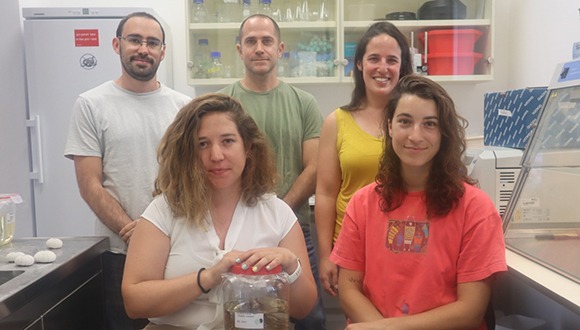
The Israeli research team (from left to right): Dr. Irit Zohar, Dr. Marion Prévost, Prof. Naama Goren, Dr. Guy Sisma-Ventura, Prof. Nira Alperson-Afil, Prof. Israel Hershkovitz

Tel Aviv University makes every effort to respect copyright. If you own copyright to the content contained
here and / or the use of such content is in your opinion infringing Contact us as soon as possible >>