10 different pharmaceuticals detected in corals in the Gulf of Eilat




Research
10 different pharmaceuticals detected in corals in the Gulf of Eilat
Severe environmental contamination: A new study from Tel Aviv University and the Steinhardt Museum of Natural History detected traces of 10 common medications in coral samples collected from both shallow and deep sites in the Gulf of Eilat. Sulfamethoxazole, an antibiotic used for respiratory and urinary tract infections, was found in 93% of the sampled corals.
The alarming study was led by Prof. Noa Shenkar of TAU's School of Zoology, Faculty of Life Sciences and Steinhardt Museum of Natural History, and her PhD student Gal Navon, in collaboration with the Hydrochemistry laboratory led by Prof. Dror Avisar at TAU's Porter School of Environment and Earth Sciences. The results were published in the prestigious journal Environmental Pollution.
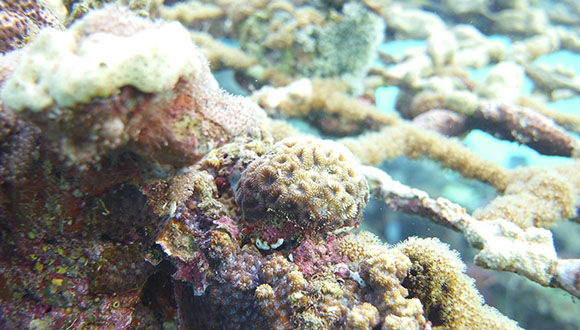
The stony coral species Favites (Photo Credit: Prof. Noa Shenkar).
"In this first-of-its-kind study, we conducted a large-scale investigation for detection of pharmaceuticals in corals", says Prof. Shenkar. "We sampled 96 reef-building stony corals representing two types, Acropora sp. and Favites sp., in shallow sites (5-12 meters) as well as deeper sites beyond the limits of recreational diving (30-40 meters). We were surprised to find an extensive presence of medications even in the deep-water corals - which usually escape contaminations affecting corals in shallower areas".
A Cocktail of Drugs Found in Coral Reefs
The researchers obtained a list of the most commonly used pharmaceuticals in Israel from Clalit Health Services. Testing for 18 of these compounds, they detected 10 of them in the coral samples. Not even a single sample, retrieved from either shallow or deep water, was found to be drug-free. The 10 pharmaceuticals found in the corals belonged to different categories: antibiotics, blood pressure medications, antiplatelet agents, calcium channel blockers, laxatives, proton pump inhibitors, statins and antidepressants.
"What does the presence of pharmaceuticals in corals actually mean? Clearly, the corals did not receive a prescription for antibiotics from their doctor", explains Prof. Shenkar. "These medications are taken by humans to affect a certain receptor or biological pathway, and they can also impact other organisms. Previous studies, conducted by both our lab and others, have revealed many examples of this negative impact: estrogen from birth control contraceptive pills induces female features in male fish, impairing reproduction in certain species; Prozac makes some crabs aggressive and reckless; and antidepressants damage the memory and learning abilities of squids. There is no reason to believe that corals should be immune to such effects. For instance, if our pharmaceuticals should disrupt the spawning synchrony of coral populations, it would take us a long time to notice the problem, and when we do, it might be too late".
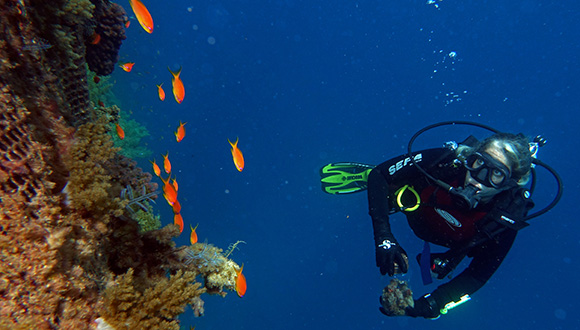
Prof. Noa Shenkar.
"Stony corals build coral reefs, and the types we studied are very common in the Gulf of Eilat", adds Gal Navon. "Coral reefs are a cornerstone of marine biodiversity. They provide food, shelter, and spawning sites to numerous species, and support the human fishing and tourism industries. Today this delicate ecosystem is under pressure as a result of climate change, pollution, and overfishing. The presence of pharmaceuticals in coral tissues adds another layer of concern, indicating that human activities even contaminate faraway marine environments".
"Clearly these medications save lives, and we have no intention of requesting people to reduce their use", says Prof. Shenkar. "However, we must develop new sewage treatment methods that can effectively handle pharmaceutical compounds. Also, each of us must dispose of old medications in ways that do not harm the environment. Ultimately these drugs come back to us. I know people who avoid medications, but when they eat a fish, they might unknowingly consume a 'cocktail' of drug residues absorbed by the fish from the marine environment".

Research
TAU researchers uncover cancer weaknesses, paving the way for targeted treatments.
Two complementary studies from the Faculty of Medical and Health Sciences at Tel Aviv University, in collaboration with the European Institute of Oncology in Milan, have extensively examined the characteristics of cells with an abnormal number of chromosomes - known as aneuploid cells - and raised findings that may advance new cancer treatments.
Targeting Aneuploid Cancer Cells
According to the researchers: "a significant portion of cancer cells are aneuploid, and this trait distinguishes them from healthy cells. Our work focuses on the vulnerabilities of aneuploid cells, with the aim of promoting new strategies for eliminating cancerous tumors".
The researchers: "In our studies, we found that aneuploidy increases the sensitivity of cancer cells to certain types of anticancer drugs".
The studies were led by Prof. Uri Ben-David and doctoral student Johanna Zerbib from the Department of Human Molecular Genetics and Biochemistry at the Faculty of Medical and Health Sciences at Tel Aviv University, in collaboration with Professor Stefano Santaguida and doctoral student Marica Rosaria Ippolito from the University of Milan in Italy, along with researchers from both laboratories. Additional contributors included research teams in Israel, Italy, the USA, and Germany. Two articles based on the research were published in the prestigious journals Cancer Discovery and Nature Communications.
Prof. Ben-David explains: "In the nucleus of a healthy human cell, there are 23 pairs of chromosomes - half from the father and half from the mother, totaling 46. One of the characteristics of cancer cells, which distinguishes them from healthy cells, is an abnormal number of chromosomes, resulting from improper cell division - a phenomenon known as aneuploidy. We believe that if we can identify specific vulnerabilities of aneuploid cells, we can promote new cancer treatments that target these weaknesses and do not harm healthy cells. About three years ago, we published a comprehensive study in the journal Nature, in which we classified approximately 2,000 malignant cells from various cancer types according to their level of aneuploidy, and examined how they respond to various existing treatments. In that study, we found new vulnerabilities in aneuploid cells. However, the study had a limitation: because the cells came from different types of cancer, it was difficult to isolate the impact of aneuploidy itself from the effect of other genetic differences between the tumors".
Consequently, the researchers chose to conduct a new study using human cell cultures that are all genetically identical (i.e., derived from the same individual). The researchers added a substance to the cultures that disrupts the separation of chromosomes, causing some of them to become aneuploid. Since the cells were genetically identical, the only difference between them after the procedure was the level of aneuploidy - i.e., the number of chromosomes. To thoroughly examine the effects of aneuploidy, the cells underwent various characterization processes: DNA and RNA sequencing, measuring the levels of all the proteins in the cell, assessing the response to 6,000 different drugs, as well as a process known as CRISPR screening - systematically impairing each gene in the genome to identify genes that are essential in the cells. The researchers noted: "In this way, an extensive and unique database of the characteristics of aneuploid cells was established, which can serve as a foundation for future studies, as well as for developing biological markers that predict cancer patients' responses to specific drugs and treatments".

How to Exploit Cell Vulnerabilities for Cancer Therapy?
As part of the comprehensive survey, a mechanism called MAPK (mitogen-activated protein kinase) was observed, which is especially crucial for repairing DNA damage in aneuploid cells. The study also showed that this mechanism is relevant for various types of aneuploid cells—among them cancer cells in cultures and in human tumors. Prof. Ben-David: "We found that aneuploid cancer cells increase the activity of DNA repair mechanisms due to the large amount of DNA damage present; and we discovered a mechanism that could allow us to exploit this characteristic to target these cancer cells".
To test their hypothesis, the researchers disrupted the MAPK pathway in the cells and then examined their sensitivity to chemotherapy. The findings were promising: aneuploid cells in which this mechanism was disrupted were much more sensitive to chemotherapy (which causes DNA damage) compared to cells with a normal number of chromosomes. The researchers then sought to determine whether there is a correlation between this pathway and the clinical response of cancer patients to chemotherapy treatments. For this purpose, they relied on data from clinical treatments and experiments where human tumors were implanted in mice, and the results were clear: the higher the activity of the pathway in the aneuploid tumors, the greater their resistance to chemotherapy.
The comprehensive characterization of aneuploid cells also revealed another significant finding: these cells, which contain more chromosomes than normal cells, also necessarily include a larger amount of DNA, leading to excess production of RNA and proteins. The cell, seeking to compensate for this overproduction, attempts to silence and degrade excess RNA and proteins.
Paving the Way for Future Treatments
Johanna Zerbib noted: "Here we found another vulnerability of aneuploid cells, based on our hypothesis that these cells are more sensitive to existing drugs that inhibit protein degradation. To validate this hypothesis, we exposed cell cultures to such drugs and analyzed clinical data from patients treated with a drug that inhibits protein degradation in the cells. The findings supported the hypothesis - that aneuploidy increases the sensitivity of cancer cells to these drugs".
Prof. Ben-David concluded: "In our research, we identified two significant vulnerabilities characterizing aneuploid cells - cells with chromosomal changes, commonly found in cancer cells. The first is a mechanism essential for repairing DNA damage, where impairment significantly increases the sensitivity of aneuploid cells to chemotherapy; the second is the increased degradation of excess RNA and proteins, which can be targeted, among other things, with inhibitors that are already in clinical use. We also created an extensive database of characteristics of aneuploid cells that can serve to predict cancer patients' responses to various drugs and treatments. We believe that our research findings will benefit many researchers, oncologists, and patients in the years to come".

Research
Researchers have developed revolutionary tech to detect Parkinson’s up to 20 years before symptoms appear.
Researchers at Tel Aviv University cooperated with three major Israeli medical centers to develop a new method for detecting protein aggregation in cells – a hallmark of Parkinson's disease. The technology can enable diagnosis up to 20 years before the first motor symptoms appear, facilitating treatment or even prevention of the severe disease which is currently incurable. The novel approach is based on super-resolution microscopy combined with computational analysis, allowing for precise mapping of the aggregates' molecules and structures. The researchers: "Our method can be used to identify early signs and enable preventive treatment in young people at risk for developing Parkinson's later on in their lives. In the future, the technology may also be adapted for early diagnosis of other neurodegenerative diseases, including Alzheimer's".
The study was conducted by researchers from the School of Neurobiology, Biochemistry & Biophysics at the Wise Faculty of Life Sciences, the Sagol School of Neuroscience and the Faculty of Medical and Health Sciences at Tel Aviv University, led by Prof. Uri Ashery and PhD candidate Ofir Sade. The research was supported in part by TAU’s Aufzien Family Center for the Prevention and Treatment of Parkinson's Disease.
Other participants included: Prof. Anat Mirelman, Prof. Avner Thaler, Prof. Nir Giladi, Prof. Roy Alcalay, Prof. Sharon Hassin, Prof. Nirit Lev, Dr. Irit Gottfried, Dr. Dana Bar-On, Dr. Meir Kestenbaum, Dr. Saar Anis, Dr. Shimon Shahar, Daphna Fischel, Dr. Noa Barak-Broner, Shir Halevi, and Dr. Aviv Gour – all from Tel Aviv University, with some also affiliated with the Tel Aviv Sourasky (Ichilov), Sheba, or Meir Medical Centers. Researchers from Germany and the USA also contributed to the study. The paper was published in Frontiers in Molecular Neuroscience.

Spotting Parkinson’s Before Symptoms Appear
Prof. Ashery: "Parkinson's disease is the second most prevalent neurodegenerative disease in the world after Alzheimer's - with about 8.5 million people with Parkinson's living worldwide today, and 1,200 new sufferers diagnosed annually in Israel. The debilitating disease is characterized by the destruction of dopaminergic (dopamine-producing) neurons in the brain's Substantia Nigra area. Today, diagnosis of Parkinson's disease is based mainly on clinical symptoms such as tremors or gait dysfunctions, alongside relevant questionnaires. However, these symptoms usually appear at a relatively advanced stage of the disease, when over 50% and up to 80% of the dopaminergic neurons in the Substantia Nigra are already dead. Consequently, available treatments are quite limited in their effect and usually address only motor problems. In this study, we began to develop a research tool to enable diagnosis of Parkinson's at a much earlier stage, when it is still treatable, and deterioration can be prevented".
Ofir Sade: "One known feature of Parkinson's is cell death resulting from aggregates of the alpha-synuclein protein. The protein begins to aggregate about 15 years before symptoms appear, and cells begin to die 5-10 years before diagnosis is possible with the means available today. This means that we have an extensive time window of up to 20 years for diagnosis and prevention before symptoms appear. If we can identify the process at an early stage, in people who are 30, 40, or 50 years old, we may be able to prevent further protein aggregation and cell death". Past studies have shown that alpha-synuclein aggregates form in other parts of the body as well, such as the skin and digestive system. In the current work, the researchers examined skin biopsies from 7 people with and 7 without Parkinson's disease, received from the Sheba, Ichilov, and Meir Medical Centers.
She continues: "We examined the samples under a unique microscope, applying an innovative technique called super-resolution imaging, combined with advanced computational analysis - enabling us to map the aggregates and distribution of alpha-synuclein molecules. As expected, we found more protein aggregates in people with Parkinson's compared to people without the disease. We also identified damage to nerve cells in the skin, in areas with a large concentration of the pathological protein".

Parkinson’s Detection Boosted by AI
With proof of concept obtained through the study, the researchers now plan to expand their work, supported by the Michael J. Fox Foundation for Parkinson's Research. In the next phase, they will increase the number of samples to 90 - 45 from healthy subjects and 45 from people without Parkinson's disease - to identify differences between the two groups. Ofir Sade: "We intend to pinpoint the exact juncture at which a normal quantity of proteins turns into a pathological aggregate. In addition, we will collaborate with Prof. Lior Wolf of TAU's Blavatnik School of Computer Science to develop a machine learning algorithm that will identify correlations between the results of motor and cognitive tests and our findings under the microscope. Using this algorithm, we will be able to predict the future development and severity of various pathologies".
Prof. Ashery: "In this study, we identified differences between tissues taken from people with and without Parkinson's disease, using super-resolution microscopy and computational analysis. In future studies, we will increase the number of samples and develop a machine-learning algorithm to spot relatively young individuals at risk for Parkinson's. Our main target population is relatives of Parkinson's patients who carry mutations that increase the risk for the disease. Specifically, we emphasize two mutations known to be widespread among Ashkenazi Jews. A clinical trial is already underway to test a drug expected to hinder the formation of the aggregates that cause Parkinson's disease. We hope that in the coming years, it will be possible to offer preventive treatments while tracking the effects of medications under the microscope. It is important to note that the method we've developed can also be suitable for early diagnosis of other neurodegenerative diseases associated with protein aggregates in neurons, including Alzheimer's".

Research
Tel Aviv University tech tracks pupil changes in sleep and anesthesia
A new technological development allows for the first time to monitor changes in pupil size and gaze direction behind closed eyes using touchless infrared imaging. In the future, tracking changes in pupil size will help identify a state of wakefulness in sleep, anesthesia, and intensive care and help track the depth of sedation, detect seizures and nightmares, and recognize pain or responsiveness that may occur after trauma and in intensive care departments. The investigators anticipate that this technology has strong potential to become an important tool in clinical care.
The breakthrough was achieved by a team of investigators from Tel Aviv University led by doctoral student Omer Ben Barak-Dror, under the joint supervision of Prof. Yuval Nir from the Department of Physiology and Pharmacology, Faculty of Medical and Health Sciences, Sagol School of Neuroscience, and the Department of Biomedical Engineering; and Prof. Israel Gannot from the Department of Biomedical Engineering. Other team members include Dr. Michal Tepper, Dr. Barak Hadad, Dr. Hani Barhum, and David Haggiag. The research was published in the journal Communications Medicine.
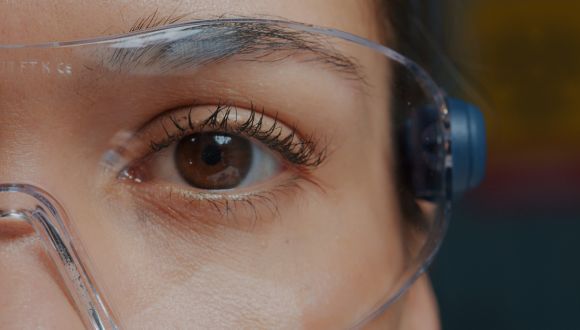
An Eye-Opening Discovery
Prof. Nir explains: "It is often said that the eyes are the windows to the soul". Indeed, pupil size changes constantly, dilating or contracting to regulate the amount of incoming light, while providing valuable clinical information. We all know that our pupils get smaller in bright light and larger in darkness, but this is only one reason why pupils change size. They also dilate when we’re stimulated, for example when we react to a sudden event or when we are in pain. In such cases, our autonomic nervous system serves as an alarm and prepares us to take action. Tracking pupil size and eye movements can be critical in many clinical situations. However, until now this has been limited to open-eye scenarios. No method allowed anyone to do this when their eyes were closed.
The new research describes innovative technology that combines short-wave infrared (SWIR) imaging with deep learning algorithms to perform touchless pupillometry and eye tracking behind closed eyelids. “To establish and validate our technology, we focused on the pupillary light reflex (PLR) when the pupil constricts in response to a sudden flash of light, and then dilates back to normal. This is a basic reflex that occurs symmetrically across the two eyes in healthy people. We performed experiments testing our technology on the closed eye while comparing the results to the open-eye data,” said Omer Ben Barak-Dror, lead author of the study at Tel Aviv University.
Eye Spy: Monitoring Pupils While You Sleep
Profs. Nir and Gannot add: "Our method can successfully track the precise dynamics of the pupillary light reflex in closed-eye conditions, revealing the changes in pupil size following each light flash in individual subjects, and also accurately estimating where the eye gaze is directed to, within a few degrees accuracy. The system operates at wavelengths where light has its maximum depth of penetration in biological tissue, and by analyzing the data using deep learning algorithms, we can go beyond what is typically possible with standard methods of near-infrared imaging". Dr. Tepper adds that the information collected using continuous touchless monitoring is a critical element of the patient’s electronic medical record (EMR) and helps with decisions concerning optimal medical treatment.
The investigators concluded: "Our technology, backed by a patent application, paves the way for developing devices with wide-ranging clinical and commercial applications in domains ranging from sleep medicine, through monitoring sedation level and intraoperative awareness in anesthesia, to assessing pain and reactivity in unresponsive patients or neurology intensive care and trauma wards".
The study was supported by grants from the Zimin Foundation and the breakthrough technology program of the Israeli Ministry of Science and Technology.

Research
TAU post-doc Tamar Elman is creating a startup to harness hydrogen gas produced by algae during photosynthesis
Recent reports that 2023 was the world’s hottest year on record highlights the urgency of mitigating climate change. One unavoidable change will be to clean up the energy sector, which currently produces 70% of industrial waste including greenhouse gases and ozone-eroding chemicals. The solution may come in the form of a tiny single-celled organism which most may recognize as the green layer on top of lakes and ponds: algae. Tamar Elman, a Tel Aviv University post-doctoral researcher in the lab of Iftach Yacoby at the Wise Faculty of Life Science, has discovered a microalgae species with a mutation which produces large amounts of hydrogen gas, a promising clean energy source. After completing a course at TAU’s Entrepreneurship Center, she is building a startup to figure out how this hydrogen production might be harnessed and industrialized.
An Accidental Discovery
Hydrogen gas is a very clean source of energy because its only byproduct is water vapor. “Unfortunately,” says Elman, “because it does not naturally accumulate anywhere in large amounts, producing hydrogen gas in a usable form does produce carbon waste. So there is a race right now to create a totally green production method that is also scalable and profitable.”
"There is a race right now to create a totally green production method that is also scalable and profitable.”
One natural source of hydrogen gas is microalgae, which is found in most habitats around the world and grows easily. In 2021, Elman was trying to increase the small amounts of hydrogen gas produced by microalgae in the TAU Yacoby lab. “Microalgae are considered plants because they perform photosynthesis, using solar energy to transform carbon dioxide into sugars for nourishment. However, green algae also have a built-in “circuit breaker” that burns off any excess solar energy by converting it to hydrogen gas. Unfortunately, hydrogen production is usually shut down quickly by other functions of the algae.
One day, Elman and Prof. Yacoby tested a new culture and saw the hydrogen levels reaching unprecedented heights. “We thought we were seeing a mistake in the hydrogen measuring device. We almost threw out the culture!” Says Elman. “But when we tried it on a different device and got the same results, we realized we had found a mutated algae strain that naturally overcame the barriers to continued hydrogen gas production.”
Scaling Up
Upon publishing a paper in 2022 on their discovery, Elman and Prof. Yacoby garnered quite a bit of interest from the scientific community. The two decided to capitalize on the buzz, delving further into experimentation on their mutation. Elman also won a grant from the Israeli Innovation Authority which required she take a course on breaking into industry at TAU’s Entrepreneurship Center.
Elman and Yacoby nailed down their idea to produce hydrogen gas for the energy sector and to work with the food industry to sell the used algae, which is left with high nutritional value after the production process.
 Elman and Prof. Yacoby hope to industrialize microalgae-based hydrogen gas production. (Photo: Tel Aviv University)
The two discovered that scaling up creates its own host of challenges, as processes that work at small scales may not always translate proportionally. Elman realized she would need a very simple way to induce hydrogen production in the algae. “It’s almost comical how basic this method is,” she says of her solution. “All I do is give the algae some concentrated acid and let them sit in the dark for two hours breathing oxygen. Then I open the windows to let light in, and the algae start producing hydrogen! It's practically too simple to market, but it really works.”
Elman spent the last year gathering her data and creating material for investors and industry stakeholders with the help of her Entrepreneurship Center team. Now, she is meeting with investors. “Even though it’s very difficult, I know I would regret not trying. And it’s an amazing feeling to see my research lead to something concrete.”
Her next steps are, she hopes, to build a large photobioreactor that can be used for larger-scale experiments and production.
Thinking Like an Entrepreneur
To learn what is needed to create a startup and collaborate with industry, Elman participated in a course called JumpTAU which brought together Arab and Jewish students in mixed startup-building teams at TAU’s Entrepreneurship Center. For months, the teams received intensive lectures, individual guidance and networking opportunities from industry experts and dedicated mentors.
“Entrepreneurship is a different type of thinking. I had to figure out who my audience was and how to frame my work as beneficial to them."
After performing scientific research for 9 years, says Elman, “entrepreneurship is a really different type of thinking. I discovered that customers and investors aren't interested in science for science’s sake, so I had to figure out who my audience was and how to frame my work as beneficial to them. Now a year later, I have a professional slide deck I can proudly show to investors.”
She felt particularly supported by the mentors and Center Director Yair Sakov, all of whom she says she can still turn to for ongoing counsel. “I really feel like those at the Center care about my success.”

Research
TAU archaeologists reveal the Roman siege of Masada likely lasted weeks, not years, according to new research findings.
Researchers from the Sonia & Marco Nadler Institute of Archaeology at Tel Aviv University used various modern technologies, including drones, remote sensing, and 3D digital modeling, to generate the first objective, quantified analysis of the Roman siege system at Masada. Findings indicate that contrary to the widespread myth, the Roman army's siege of Masada in 73 CE lasted no more than a few weeks.
The study was conducted by the Neustadter expedition from TAU's Sonia & Marco Nadler Institute of Archaeology, headed by Dr. Guy Stiebel, together with Dr. Hai Ashkenazi (today Head of Geoinformatics at the Israel Antiquities Authority), and PhD candidates Boaz Gross (from Tel Aviv University and the Israeli Institute of Archaeology) and Omer Ze'evi-Berger (today at the University of Bonn). The study is part of the expedition's extensive mission, implementing advanced tools and posing fresh questions, to attempt a new understanding of what really happened at Masada. The paper was published in the Journal of Roman Archaeology.
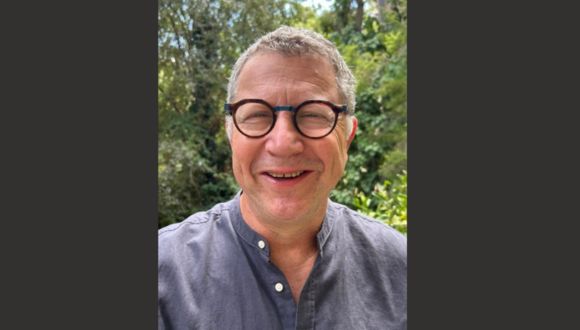
Dr. Guy Stiebel
New Tech Reveals Old Secrets
Dr. Stiebel: "In 2017 my expedition renewed, on behalf of TAU's Sonia & Marco Nadler Institute of Archaeology, excavations at Masada – a world-famous site explored extensively since the early 19th century and throughout the 20th century. Our expedition sets forward several new questions and implements many novel research tools that were not available to previous generations of archaeologists. In this way, we intend to obtain fresh insights into what actually happened there before, during, and after the Great Jewish Revolt. As part of this extensive project, we devote much scholarly attention to the site’s surroundings. We use drones, remote sensing, and aerial photography to collect accurate high-resolution data from Masada and its environs, emphasizing three aspects: the water systems, the trails leading to and from the palatial fortress, and the Roman siege system. The collected information is used to build 3D digital models that provide a clear and precise image of the relevant terrains. In the current study, we focused on the siege system, which, thanks to the remote location and desert climate, is the best-preserved Roman siege system in the world".
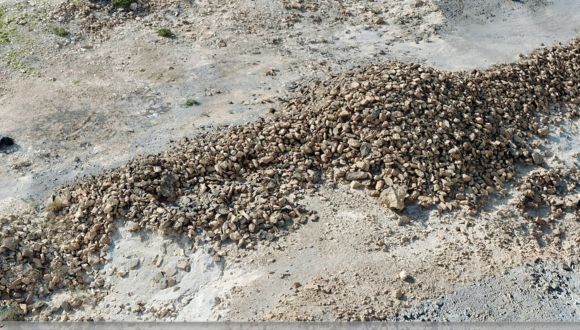
3D model of Tower 7 and the circular feature to its left, view to the west. Photo Credit: The Neustadter Masada Expedition, taken from the Journal of Roman Archaeology.
Dr. Stiebel adds: "For many years, the prevailing theory that became a modern myth asserted that the Roman siege of Masada was a grueling three-year affair. In recent decades researchers have begun to challenge this notion, for various reasons. In this first-of-its-kind study, we examined the issue with modern technologies enabling precise objective measurements".
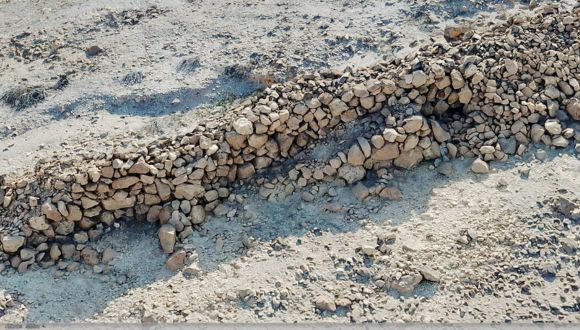
3D model of the ramp/staircase, view to the southwest. Photo Credit: The Neustadter Masada Expedition, taken from the Journal of Roman Archaeology.
The researchers used drones carrying remote sensors that provided precise, high-resolution measurements of the height, width, and length of all features of the siege system. This data was used to build an accurate 3D digital model, enabling exact calculation of the structures' volume and how long it took to build them.
What Really Happened at Masada?
Dr. Ashkenazi: "Reliable estimates are available of the quantity of earth and stones a Roman soldier was able to move in one day. We also know that approximately 6,000-8,000 soldiers participated in the siege of Masada. Thus, we were able to objectively calculate how long it took them to build the entire siege system – eight camps and a stone wall surrounding most of the site. We found that construction took merely about two weeks. Based on the ancient historical testimony it is clear that once the assault ramp was completed, the Romans launched a brutal attack, ultimately capturing the fortress within a few weeks, at the most. This leads us to the conclusion that the entire siege of Masada lasted no more than several weeks".

Tower 10 and the wall abutting it. Photo Credit: The Neustadter Masada Expedition, taken from the Journal of Roman Archaeology.
The Truth Behind Masada’s Brief Siege
Dr. Stiebel: "The narrative of Masada, the Great Jewish Revolt, the siege, and the tragic end as related by Flavius Josephus, have all become part of Israeli DNA and the Zionist ethos, and are well known around the world. The duration of the siege is a major element in this narrative, suggesting that the glorious Roman army found it very difficult to take the fortress and crush its defenders. For many years it was assumed that the siege took three long years, but in recent decades researchers have begun to challenge this unfounded belief. In our first-of-its-kind study, we used objective measurements and advanced technologies to clarify this issue with the first data-driven scientific answer. Based on our findings we argue that the Roman siege of Masada took a few weeks at the most.".
"As empires throughout history have done, the Romans came, saw, and conquered, quickly and brutally quelling the uprising in this remote location. Our conclusion, however, detracts nothing from the importance of this historical event, and many baffling questions remain to be investigated"- Dr. Stiebel.
He continues: "For example: Why did the Romans put so much effort into seizing this remote and seemingly unimportant fortress? To answer this and many other intriguing questions we have initiated a vast, innovative project in and around Masada – collecting data and analyzing it thoroughly in the labs of TAU's Sonia & Marco Nadler Institute of Archaeology, in collaboration with other researchers, to ultimately shed new light on the old enigma: What really happened at Masada?"

Research
It turns out that older eagles go out less and prefer to stay home
A new Tel Aviv University study, the first of its kind, has revealed that vultures, much like humans, experience changes in movement habits and social relationships as they age. Young vultures frequently move between roosting sites and “hang out with friends”. During adolescence, they spend about half their nights at a permanent roosting site (“home”) and the other half at other sites. In old age, however, vultures scale back on socializing, preferring to “stay home”. The study, which involved 142 Eurasian Griffon Vultures (Gyps fulvus) in Israel, is among the few to shed light on the behavioral changes in aging animals in the wild.
The study, led by Dr. Marta Acácio as part of her post-doctoral research in Dr. Orr Spiegel's laboratory at Tel Aviv University’s School of Zoology, was conducted in collaboration with Prof. Noa Pinter-Wollman of the University of California, Los Angeles (UCLA) and several other researchers. The findings were published in the prestigious journal PNAS.
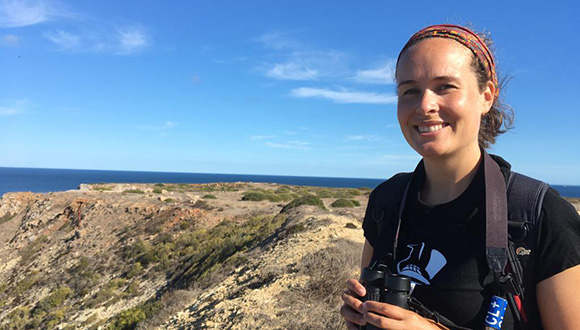
Dr. Marta Acácio.
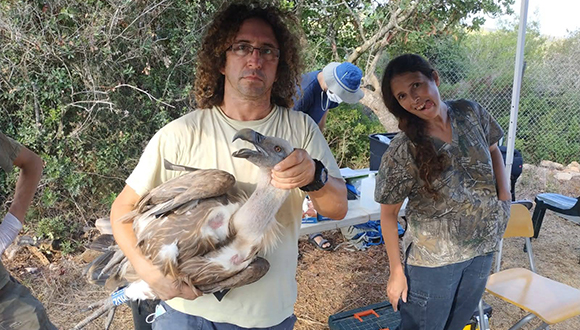
Dr. Orr Spiegel. releasing tagged vultures (Photo credit: Tovale Solomon).
The Eagle Has Landed
Dr. Spiegel explains: “Vultures are a locally endangered species in Israel, with only about 200 individual vultures remaining. They are closely monitored to determine the best possible conservation methods. We thought about what else could be gleaned from the extensive database we have accumulated over the years and agreed it would be interesting to explore how vultures age. Tracking the same individuals in the wild over many years is often very challenging. However, the transmitters we use to monitor the population provided a rare opportunity to observe the aging process in vultures specifically and in animals generally”.
The researchers utilized a database accumulated over 15 years from GPS devices attached to 142 vultures that tracked them for periods of up to 12 years. The vulture, a social bird, sleeps in roosts on cliffs. By cross-referencing the vultures’ ages with the GPS data on their roosting sites, the researchers discovered that as the vultures aged, they increasingly preferred to stay at the same roosting site.

Aging vulture being monitored (Photo credit: Tovale Solomon).
Home Sweet Home
Dr. Spiegel: “It turns out that aging vultures behave a bit like humans and are more inclined to stay at home. When they're young, vultures like to explore new sites and frequently move between places; the likelihood that a young vulture will sleep at the same site two nights in a row is low. When they reach adolescence at the age of five, this behavior stabilizes, and as adults they spend 50 percent of their nights at the same site and the other 50 percent at other sites. When they are old, from the age of 10 onwards, they no longer have the energy to be 'out and about', and return consistently to the same site. Furthermore, when adult vultures do change sites, they do so in a predictable pattern: for example, one night in Ein Avdat, the next in the Small Crater, and the next in Nahal Golhan, following a fixed order. Of course, it could be argued that older vultures move less not because they are old, but because they avoid taking risks in the first place, which is how they reached the age they did. But here we are talking about the exact same individual birds: those who were adventurous at the age of five became more sedentary by age ten”.
Elder Eagles' Poisoning
According to Dr. Spiegel, these fascinating findings on the aging of birds also have very practical implications for conservation efforts. “This new study can help us better protect vultures’ roosting sites in the wild. Additionally, we have now seen that older vultures have fewer social connections, which can help us to prevent poisoning. The transmitters are connected to a system that sends an alert to the Israel Nature and Parks Authority, and to us by phone, if the vulture is not moving or has landed in a dangerous place, indicating that it may have been poisoned.

Collecting dead vultures following poisoning in the Golan Heights by Nature and Parks Authority rangers (Photo credit: Nature and Parks Authority).
Unfortunately, this happens frequently. The danger arises when a vulture descends on a poisoned goat carcass, not knowing that a farmer has poisoned the carcass in order to kill stray dogs. Being social birds, vultures do not come down alone, leading to the risk of dozens of vultures dying at once. Understanding how wide the poisoned vulture’s social circle is will significantly help in mitigating the damage”.
It is important to note that vultures play an important ecological role in the disposing of carcasses. Studies have shown that the extinction of vultures ultimately leads to the loss of human lives, due to the rise of diseases such as rabies. In India, for example, a recently published study revealed that the extinction of vultures due to poisoning resulted in the deaths of half a million people over the course of five years.

Research
Free real estate ads might cost you: Paid listings fetch thousands more
Researchers from Tel Aviv University found that there may be a cost to the zero-price effect: statistically identical homes that were published in free service ads on the Israeli “Yad2” online classified service received fewer clicks, sold more slowly, and at a lower price than identical homes that were published in paid service ads – adding up to an average net loss of about 3.5%–3.8% of the average transaction price. This is equivalent to about $12K–$13K when the price of the paid service amounted to a total of about $70.
The surprising results were part of a study that was conducted by Prof. Danny Ben-Shahar, Director of the Alrov Institute for Real Estate Research at Tel Aviv University's Coller School of Management and Dr. David Ash, a research associate at the institute. Its article reporting the results was recently accepted for publication in the journal Real Estate Economicsof the American Real Estate and Urban Economics Association.
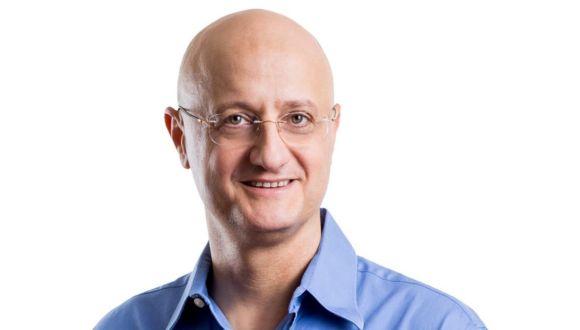
Prof. Danny Ben-Shahar
"We study behavioral economics in the real estate market and, in particular, the effects of biases in decision-making," explains Prof. Ben-Shahar. "We know for quite some time that people do not always make rational decisions, and one of the more interesting questions is whether there is a price paid for those irrational decisions. Here we examined a bias called the 'zero-price effect'. This effect makes people overvalue products or services offered at zero price. For example, if we lower the price of a product from $2 to $1, demand may increase slightly, but if we lower its price by $1 to zero – demand will increase dramatically, which cannot be explained by a rational cost-benefit approach. We wanted to test this effect not in an experimental setting of the laboratory, but through real data of choices made in the 'real world' – and more importantly, to test whether there is an economic cost to this bias towards a zero price".
In the first part of the study, the researchers examined commercial properties that were offered for rent on the “Yad2” online platform. In July 2019, the platform canceled the option to post ads for renting out commercial properties, and at the same time to charge more for the premium service – which both highlights the ad and displays it at the top of the search.
"This update allowed us to conduct a quasi-natural experiment, with the participation of real people who have to spend real money to rent out real properties,” says Prof. Ben-Shahar. “When the free service became fee-based and the premium service became even more expensive, we saw that a significant mass of owner, seeking to rent out their property, opted for the premium ad service – even though it became considerably more expensive. The cheaper option had lost appeal as soon as it stopped being completely free".
Then Prof. Ben-Shahar and Dr. Ash demonstrated, for the very first time, the heavy price consumers pay for their zero-price bias. They did this by sampling over 15,000 ads of properties that private homeowners offered for sale on the “Yad2” platform, all of which are without brokerage, over the three years between 2014 and 2016.
“It’s important to realize that selling a home is the largest and most important deal in most people's lifetime, averaging at $350K to $500K for the sellers in our sample,” says Prof. Ben-Shahar.
"’Yad2’ offers these private sellers to publish their ads in a free basic service, or in a premium service at a negligible total cost of about $70. However, about 95% of the sellers preferred the free ad service. Controlling for the difference in the characteristics of the assets, we found that the premium service increased the chance of selling the property by 10% to 18% daily, increased the number of clicks on the ad by 117% to 130%, and the clicks on the sellers’ phone number by 108% to 122%. In other words, those who paid for the premium service attained a higher demand and a faster sale. Most importantly: they sold their properties at higher prices. Statistically identical homes offered in the paid-premium service were sold for 3.5% to 3.8% higher price than homes provided in the free service, a difference of about $12K–$13K per sale".