
Israel’s First Lady Visits TAU Trauma Center


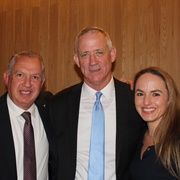
When Israel’s First Lady and Tel Aviv University alumna, Michal Herzog, arrived on campus on a recent visit, she stepped into a place where science and compassion converge. The National Center for Traumatic Stress and Resilience—which houses Israel’s largest PTSD clinic—has become a lifeline for soldiers and civilians scarred by Oct. 7 and the ongoing war.
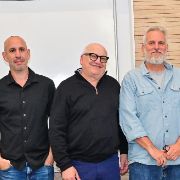
Hosted by TAU President Prof. Ariel Porat and Center Director Prof. Yair Bar-Haim, Mrs. Herzog met the clinic’s accomplished team of psychologists, psychiatrists, social workers, and researchers who work to address an unprecedented wave of trauma. Since its opening in January 2024, fast-tracked due to the urgency, the clinic has treated some 1,500 patients—an extraordinary testament to the overwhelming need for specialized psychological care.
“The mental resilience of Israeli society is a national asset,” Mrs. Herzog said. “What I witnessed here shows how professional and compassionate care can truly change lives. I will do all I can to raise awareness and support this vital effort.”
Healing Trauma with Science
The clinic is grounded in cutting-edge, evidence-based methods. About 85% of treatments involve trauma-focused cognitive therapy (CPT), a technique proven to significantly reduce post-traumatic stress symptoms. In fact, clinical data collected at the Center show good results: a 59.4% reduction in PTSD symptoms among patients completing CPT, alongside significant drops in depression and anger levels.
The clinic also integrates group therapy, dynamic psychotherapy, and medication when needed. Recognizing that trauma ripples through families, the Center runs support groups and resources for partners and parents of combat veterans.
A Rapid Response to a National Emergency
Originally, TAU planned to open the Center’s permanent home—the Miriam and Moshe Shuster Building with its clinic, laboratories, and the Sam and Agi Moss Wing—in 2025. But the war unleashed by Oct. 7 changed everything. Within weeks, the University adapted temporary premises to launch the clinic immediately, ensuring patients could receive life-saving treatment without delay. This effort was made possible thanks to the generosity of numerous donors in Israel and worldwide.

The demand for care is immense. Each week, dozens of new requests pour in from soldiers returning from the battlefield and civilians grappling with loss and displacement. A recent study led by Prof. Bar-Haim found that 12% of Israelis are now experiencing significant post-traumatic symptoms, a stark reminder of the war’s far-reaching psychological toll.
“We are in a state of emergency in Israel’s mental health system,” Prof. Bar-Haim stressed. “We must act now—not only to meet today’s needs but to build a long-term system for trauma care that will serve the country for decades to come.”
The First Lady’s visit underscores the national importance of TAU’s efforts to address one of the most urgent health challenges facing Israel today. The story of the National Center is not only one of crisis response but also of hope: of thousands of lives touched, of resilience built, and of a future in which Israel’s soldiers and civilians can reclaim peace of mind.
Related Articles