New research shows analysis of seismic data reveals Hamas' movements on October 7th.




Research
New research shows analysis of seismic data reveals Hamas' movements on October 7th.
A groundbreaking study in the field of forensic seismology, conducted by Tel Aviv University researchers, has identified the seismic signature of Hamas forces' movement before the October 7th attack. Researchers from the Department of Geophysics at Tel Aviv University's Porter School of the Environment and Earth Sciences and Sackler Faculty of Exact Sciences recently analyzed data recorded at three seismic stations in southern Israel. The findings reveal that on the morning of October 7th, approximately half an hour before the deadly terrorist assault, the stations recorded weak but widespread human-induced seismic noise. The researchers attribute these anomalous seismic amplitudes to the unusual movement of heavy vehicles within the Gaza Strip heading toward organizational points along the Israeli border up to 20 minutes before the ground barrier breach.
The researchers explain that forensic seismology is often used to monitor conventional and nuclear explosions. However, this is the first time in history that weak ground motions resulting from preparations for a terrorist attack have been identified by analyzing the characteristics of seismic noise induced by vehicular traffic. They believe the discovery demonstrates the potential usage of seismic-based sensing technology to provide early warnings of terrorist activity. However, they emphasize that the identification of these movements in Gaza was conducted retrospectively, months after the attack.
The study, led by Dr. Asaf Inbal of the Department of Geophysics at Tel Aviv University's Porter School of the Environment and Earth Sciences and the Faculty of Exact Sciences, was published in The Seismic Record, a journal of the Seismological Society of America.
Dr. Inbal explains: "The Israeli Geological Survey operates a nationwide network of dozens of highly sensitive seismometers that continuously monitor ground motions. This network is primarily designed to detect and locate earthquakes and warn of strong ground shaking caused by large-magnitude seismic events. However, three stations in the network—located in Amazia, Ktsiot, and Yatir, between 30 and 50 kilometers from Gaza—recorded unusual seismic noise levels early in the morning of October 7th, 2023. This noise can be attributed with confidence to the vehicular activity in Gaza as Hamas terrorists gathered for the attack. The time frame was between 6:00 and 6:30 AM, before the rocket fire began. The likelihood that the recorded signals originated from Gaza is over 99.9%".
Although the seismometers are designed to detect extremely weak ground motions, Dr. Inbal points out that the ability to link the seismic noise to Gazan vehicle movements was facilitated by the quiet background seismic noise levels that prevailed in southern Israel during the early hours of that Saturday morning, which coincided with the holiday of Simchat Torah.
"The motions recorded near the seismometers were in the range of tens of nanometers per second, whereas the minimum ground motion detectable by humans is several millimeters per second", explains Dr. Inbal.
"The characteristics of the noise originating from Gaza and captured by the Israeli stations are fundamentally different from those recorded at the same stations on previous Saturdays during those hours. We analyzed three years of data from the Israeli station trio recorded in the same time frame as the one leading up to the attack. We found no instance of a Saturday morning when correlated amplitudes were recorded at all three stations for over 10 minutes. It's important to note that these stations are widely spaced, with each station primarily sensitive to seismic noise generated by nearby human activity. For instance, the distance between Ktsiot and Amazia is about 80 kilometers, and on previous Saturdays, there was no correlation between the data recorded at these stations. On the morning of the attack, when local activity near the stations was minimal, we found unique widespread seismic amplitudes, which monotonically increased with time approaching the attack. No known natural or human source on the Israeli side could have generated seismic signals with a distribution and intensity similar to those attributed to Hamas movements. Although the outdoor music festival near Re'im generated some seismic noise, our analysis shows that this noise does not match the strength or location of the noise sources recorded by the Israeli seismic network on October 7th".

Findings from the research
The analysis indicates the seismic noise detected began at 6:00 AM and intensified as the attack approached. Occasionally, the noise contained short bursts strong enough to pinpoint their source and track their progress. The location and intensity of these sources in Gaza suggest vehicle movements advancing southward and northward within Gaza, from Rafah in the south to the Erez crossing in the north, during the 30 minutes leading up to the attack.
"We have good resolution along Salah al-Din Road, a major thoroughfare crossing Gaza from Rafah in the south to Beit Lahia in the north", says Dr. Inbal. "We can confirm with high certainty that their forces moved along this route at speeds of 25 to 50 km/h. Observations from stations dozens of kilometers from Gaza's border indicate convoys of heavy vehicles such as bulldozers and trucks carrying operatives. Three minutes before the attack began, we detected noise sources reaching the northern end of Gaza near Beit Lahia and the southern end near Khan Yunis. At the same time, we continued receiving signals from central Gaza, near Nuseirat. We know the assault began almost simultaneously along the entire border, so these seismic observations provide further evidence of the extensive deployment of Hamas forces, likely enabling the simultaneous breach of the ground barrier".
Dr. Inbal concludes: "This development results from five years of seismological research aimed at characterizing seismic noise generated by human activities. I hope this new knowledge will lead to the expanded use of such tools for both security and industrial purposes".
"We see graduates of the Department of Geophysics at Tel Aviv University playing a leading role in scientific and technological advancements, and we are confident that in the future, multi-purpose seismic-sensing technologies will be more widely used in various fields that impact our daily lives" - Dr. Inbal.

Research
New study finds that feeling attractive can lead to more generosity and kindness.
Does the global beauty trend have positive social aspects as well? A new study from Tel Aviv University shows that people who make an effort to improve their appearance—whether this effort is real or imagined, in the physical world or on social media—act more kindly towards others and are twice as likely to donate to charity.
The surprising study was led by Dr. Natalia Kononov, who completed her doctorate under the supervision of Prof. Danit Ein-Gar at the Coller School of Management at Tel Aviv University and is now a postdoctoral fellow at the Wharton School of Business at the University of Pennsylvania. The study, conducted in collaboration with Prof. Ein-Gar and Prof. Stefano Puntoni of Wharton, was published in the International Journal of Research in Marketing.

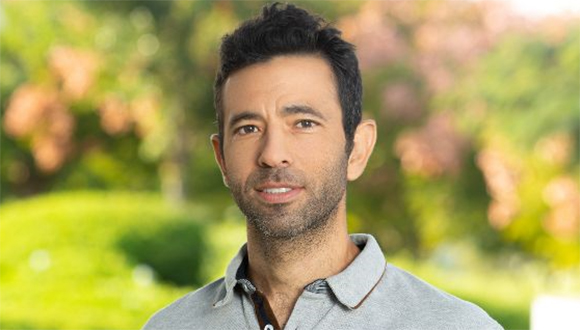
Prof. Danit Ein-Gar (Photo credit: Israel Hadari).
“When we enhance our appearance and feel beautiful—for example, after a fresh haircut—we behave in a more socially conscious manner”, explains Prof. Ein-Gar. “Why? Because we feel as though all eyes are on us, drawing attention, and so we strive to act better. It’s easy to criticize the selfie generation, constantly beautifying themselves and sharing polished photos, but we demonstrate a side effect of this behavior that can benefit society. People who feel good about their appearance can channel that feeling into good deeds”.
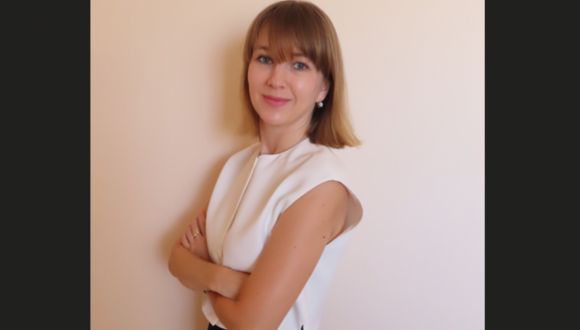
Dr. Natalia Kononov.
To test their hypothesis, the researchers conducted a series of experiments, some in virtual settings and others in a laboratory. In one lab experiment, participants were asked to use a filter to enhance a selfie they had taken. A control group, meanwhile, was asked to enhance a photo of an object in the room.
“The experimental group consisted of 50 participants, as did the control group”, Prof. Ein-Gar explains. “After viewing their enhanced photo, each participant collected an envelope with their payment in cash. Next to the payment envelope, there was a donation box so participants could voluntarily donate some or all of their payment. We observed that members of the experimental group, who saw themselves as more attractive, donated up to twice as much as those in the control group. It’s enough to imagine ourselves as more attractive—even just envisioning a more polished digital version of ourselves—to encourage prosocial behavior. This insight has significant practical implications. Until now, research has focused on the appearance of the donation seekers—whether the recipient or the fundraiser—and indeed, more attractive fundraisers have been found to raise more money. Our study introduces another relevant factor: the donor’s appearance. This opens the door to innovative strategies for streamlining charity campaigns, such as partnering with cosmetic companies, hairdressers, and beauty salons—for everyone’s benefit”.
One of the most surprising experiments was conducted virtually, on Facebook. Clicking on a link randomly directed users to one of two “know yourself” questionnaires. The control group’s questionnaire asked about preferred architectural styles, while the experimental group’s questionnaire included questions about fashion styles and was designed to make respondents imagine themselves at their most attractive moments, such as envisioning themselves dressed up for a fancy social event. At the end of the questionnaire, a seemingly unrelated pop-up appeared with a link to a donation page. About 7% of respondents who answered the “beauty” questionnaire clicked on the donation link, compared to approximately 2% of those who answered the architectural questionnaire—a particularly impressive figure considering the average click-through rate on Facebook links is just 0.9%.
“Our society is obsessively focused on physical appearance while simultaneously criticizing this superficial behavior”, says Dr. Kononov. “People who are appearance-focused are often judged harshly, but we show that this behavior can have positive spillover effects that benefit others. Social mechanisms may evolve to create some balance, where behaviors that serve the individual are accompanied by byproducts that contribute to the greater good“.

Research
New study reveals brain mechanisms involved in genetically based autism which may lead to effective treatment
A groundbreaking study from Tel Aviv University expands the understanding of the biological mechanism underlying genetically-based autism, specifically mutations in the SHANK3gene, responsible for nearly one million cases of autism worldwide. Based on these discoveries, the research team applied a genetic treatment that improved the function of cells affected by the mutation, laying a foundation for future treatments for SHANK3-related autism.
The study was led by the lab of Prof. Boaz Barak and PhD student Inbar Fischer from the Sagol School of Neuroscience and the School of Psychological Sciences at Tel Aviv University, in collaboration with the labs of Prof. Ben Maoz from the Department of Biomedical Engineering at Fleischman Faculty of Engineering at Tel Aviv University and Prof. Shani Stern from the Department of Neurobiology at the University of Haifa. The article was published in the prestigious journal Science Advances.
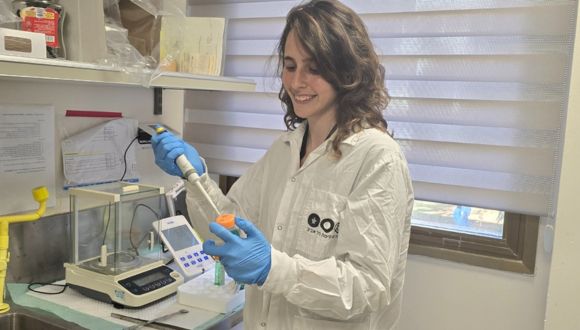
PhD student Inbar Fischer.
Prof. Barak: "Autism is a relatively common neurodevelopmental disorder. According to current data, 1-2% of the global population and one in every 36 boys in the U.S. are diagnosed with autism spectrum disorder (ASD), with numbers rising over time. Autism is caused by a wide range of factors - environmental, genetic, and even social and cultural (such as the rise in parental age at conception). In my lab, we study the genetic causes of autism. Among these are mutations in a gene called SHANK3. The impact of these mutations on the function of brain neurons has been extensively studied, and we know that the protein encoded by SHANK3 plays a central role in binding receptors in the neuron, essential for receiving chemical signals (neurotransmitters and others) by which neurons communicate. Thus, damage to this gene can disrupt message transmission between neurons, impairing the brain's development and function. In this study we sought to shed light on other, previously unknown mechanisms, through which mutations in the SHANK3 gene disrupt brain development, leading to disorders manifested as autism".
Specifically, the research team focused on two components in the brain that have not yet been studied extensively in this context: non-neuronal brain cells (glia) called oligodendrocytes and the myelin they produce. Myelin tissue is a fatty layer that insulates nerve fibers (axons), similar to the insulating layer that coats electrical cables. When the myelin is faulty, the electrical signals transmitted through the axons may leak, disrupting the message transmission between brain regions and impairing brain function.
The team employed a genetically engineered mouse model for autism, introducing a mutation in the Shank3 gene that mirrors the mutation found in humans with this form of autism. Inbar Fischer: "Through this model, we found that the mutation causes a dual impairment in the brain's development and proper function: first, in oligodendrocytes, as in neurons, the SHANK3 protein is essential for the binding and functioning of receptors that receive chemical signals (neurotransmitters and others) from neighboring cells. This means that the defective protein associated with autism disrupts message transmission to these vital support cells. Secondly, when the function and development of oligodendrocytes is impaired, their myelin production is also disrupted. The faulty myelin does not properly insulate the neuron’s axons, thereby reducing the efficiency of electrical signal transmission between brain cells, as well as the synchronization of electrical activity between different parts of the brain. In our model, we found myelin impairment in multiple brain areas and observed that the animals' behavior was adversely affected as a result".
The researchers then sought a method for fixing the damage caused by the mutation, with the hope of ultimately developing a treatment for humans. Inbar Fischer: "We obtained oligodendrocytes from the brain of a mouse with a Shank3 mutation, and inserted DNA segments containing the normal human SHANK3 sequence. Our goal was to allow the normal gene to encode a functional and normal protein, which, replacing the defective protein, would perform its essential role in the cell. To our delight, following treatment, the cells expressed the normal SHANK3 protein, enabling the construction of a functional protein substrate to bind the receptors that receive electrical signals. In other words, the genetic treatment we had developed repaired the oligodendrocytes' communication sites, essential for the cells’ proper development and function as myelin producers".
To validate findings from the mouse model, the research team generated induced pluripotent stem cells from the skin cells of a girl with autism caused by a SHANK3 gene mutation identical to that in the mice. From these stem cells, they derived human oligodendrocytes with the same genetic profile. These oligodendrocytes displayed impairments similar to those observed in their mouse counterparts.
Prof. Barak concludes: "In our study, we discovered two new brain mechanisms involved in genetically induced autism: damage to oligodendrocytes and, consequently, damage to the myelin they produce. These findings have important implications – both clinical and scientific. Scientifically, we learned that defective myelin plays a significant role in autism and identified the mechanism causing the damage to myelin. Additionally, we revealed a new role for the SHANK3 protein: building and maintaining a functional binding substrate for receptors critical for message reception in oligodendrocytes (not just in neurons). We discovered that contrary to the prevailing view, these cells play essential roles in their own right, far beyond the support they provide for neurons — often seen as the main players in the brain. In the clinical sphere, we validated a gene therapy approach that led to significantly improved development and function of oligodendrocytes derived from the brains of mice modeling autism. This finding offers hope for developing genetic treatment for humans, which could improve the myelin production process in the brain. Furthermore, recognizing the significance of myelin impairment in autism—whether linked to the SHANK3 gene or not—opens new pathways for understanding the brain mechanisms underlying autism and paves the way for future treatment development".

Research
Researchers created an affordable, needle-free nasal spray COVID-19 vaccine.
A breakthrough in vaccine development: Prof. Ronit Satchi-Fainaro's lab at TAU's Faculty of Medical and Health Sciences collaborated with Professor Helena Florindo’s lab at the University of Lisbon to produce a novel nano-vaccine for COVID-19. The nano-vaccine, a 200-nanometer particle, trains the immune system against all common COVID-19 variants, just as effectively as existing vaccines. Moreover, unlike other vaccines, it is conveniently administered as a nasal spray and does not require a cold supply chain or ultra-cold storage. These unique features pave the way to vaccinating 3rd-world populations, as well as the development of simpler, more effective, and less expensive vaccines in the future. The revolutionary study was featured on the cover of the prestigious journal Advanced Science.

Prof. Ronit Satchi-Fainaro.
Prof. Satchi-Fainaro explains: "The new nano-vaccine's development was inspired by a decade of research on cancer vaccines. When the COVID-19 pandemic began, we set a new goal: training our cancer platform to identify and target the coronavirus. Unlike Moderna and Pfizer, we did not rely on full protein expression via mRNA. Instead, using our computational bioinformatics tools, we identified two short and simple amino acid sequences in the virus’s protein, synthesized them, and encapsulated them in nanoparticles". Eventually, this nano-vaccine proved effective against all major variants of COVID-19, including Beta, Delta, Omicron, etc.
“Our nano-vaccine offers a significant advantage over existing vaccines because it is needle-free and administered as a nasal spray,” notes Prof. Satchi-Fainaro. “This eliminates the need for skilled personnel such as nurses and technicians to administer injections, reducing contamination risks and sharp waste. Anyone can use a nasal spray, with no prior training”.
Another major advantage of the revolutionary nano-vaccine is its minimal storage requirements. Moderna’s sensitive mRNA-based vaccine must be kept at -20°C and Pfizer’s at -70°C, generating great logistic and technological challenges, such as shipping in special aircraft and ultra-cold storage – from the factory to the vaccination station. Prof. Satchi-Fainaro's novel synthetic nanoparticles are far more durable and can be stored as a powder at room temperature. "There’s no need for freezing or special handling," she says. “You just mix the powder with saline to create the spray. For testing purposes, as part of the EU's ISIDORe (Integrated Services for Infectious Disease Outbreak Research feasibility program), we shipped the powder at room temperature to the INSERM infectious diseases lab in France. Their tests showed that our nano-vaccine is at least as effective as Pfizer’s vaccine”.
These important advantages—ease of nasal administration and regular storage and shipping — pave the way towards vaccinating at-risk populations in low-income countries and remote regions, which existing vaccines are unable to reach. Moreover, the novel platform opens the door for quickly synthesizing even more effective and affordable vaccines for future pandemics. “This is a plug-and-play technology,” explains Prof. Satchi-Fainaro. “It can train the immune system to fight cancer or infectious diseases like COVID-19. We are currently expanding its use to target a range of additional diseases, enabling the rapid development of relevant new vaccines when needed”.
The groundbreaking project has received competitive research grants from the Israel Innovation Authority and Merck under the Nofar program, as well as funding from Spain’s “La Caixa” Foundation Impulse as an accelerated program, and support from the ISIDORe feasibility program. It is also part of a broader vaccine platform development program at Professor Satchi-Fainaro’s lab, supported by a European Research Council (ERC) Advanced Grant.

Research
New Insight into Brain Stability: The Key Role of NMDA Receptors
Researchers at Tel Aviv University have made a fundamental discovery: the NMDA receptor (NMDAR)—long studied primarily for its role in learning and memory—also plays a crucial role in stabilizing brain activity. By setting the “baseline” level for activity in neural networks, the NMDAR helps maintain stable brain function amidst continuous environmental and physiological changes. This discovery may lead to innovative treatments for diseases linked to disrupted neural stability, such as depression, Alzheimer’s disease, and epilepsy.
The study was led by Dr. Antonella Ruggiero, Leore Heim, and Dr. Lee Susman from Prof. Inna Slutsky’s lab at the Faculty of Medical and Health Sciences at Tel Aviv University. Prof. Slutsky, who is also affiliated with the Sagol School of Neuroscience, heads the Israeli Society for Neuroscience and directs the Sieratzki Institute for Advances in Neuroscience. Additional researchers included Dr. Ilana Shapira, Dima Hreaky, and Maxim Katsenelson from the Faculty of Medical and Health Sciences at Tel Aviv University, and Prof. Kobi Rosenblum from the University of Haifa. The study was published in the prestigious journal Neuron.
“In recent decades, brain research has mainly focused on processes that allow information encoding, memory, and learning, based on changes in synaptic connections between nerve cells”, says Prof. Slutsky.
“But the brain’s fundamental stability, or homeostasis, is essential to support these processes. In our lab, we explore the mechanisms that maintain this stability, and in this study, we focused on the NMDAR—a receptor known to play a role in learning and memory”, Slutsky continues.
This comprehensive project used three primary research methods: electrophysiological recordings from neurons in both cultured cells (in vitro) and living, behaving mice (in vivo) within the hippocampus, combined with computational modeling (in silico). Each approach provided unique insights into how NMDARs contribute to stability in neural networks.
Dr. Antonella Ruggiero studied NMDAR function in cultured neurons using an innovative technique called “dual perturbation”, developed in Prof. Slutsky’s lab. “First, I exposed neurons to ketamine, a known NMDAR blocker”, she explains. “Typically, neuronal networks recover on their own after disruptions, with activity levels gradually returning to baseline due to active compensatory mechanisms. But when the NMDAR was blocked, activity levels stayed low and didn’t recover. Then, with the NMDAR still blocked, I introduced a second perturbation by blocking another receptor. This time, the activity dropped and recovered as expected, but to a new, lower baseline set by ketamine, not the original level”. This finding reveals the NMDAR as a critical factor in setting and maintaining the activity baseline in neuronal networks. It suggests that NMDAR blockers may impact behavior not only through synaptic plasticity but also by altering homeostatic set points.
Building on this discovery, Dr. Ruggiero sought to uncover the molecular mechanisms behind the NMDAR’s role in tuning the set point. She identified that NMDAR activity enables calcium ions to activate a signaling pathway called eEF2K-BDNF, previously linked to ketamine’s antidepressant effects.
Leore Heim investigated whether the NMDAR similarly affects baseline activity in the hippocampus of living animals. A major technical challenge was administering an NMDAR blocker directly to the hippocampus without affecting other brain areas, while recording long-term activity at the individual neuron level. “Previous studies often used injections that delivered NMDAR blockers across the entire brain, leading to variable and sometimes contradictory findings,” he explains. “To address this, I developed a method combining direct drug infusion into the hippocampus with long-term neural activity recording in the same region. This technique revealed a consistent decrease in hippocampal activity across states like wakefulness and sleep, with no compensatory recovery as seen with other drugs. This strongly supports that NMDARs set the activity baseline in hippocampal networks in living animals”.
Mathematician Dr. Lee Susman created computational models to answer a longstanding question: Is brain stability maintained at the level of the entire neural network, or does each neuron individually stabilize itself? “Based on the data from Antonella and Leore’s experiments, I found that stability is maintained at the network level, not within single neurons,” he explains. “Using models of neural networks, I showed that averaging activity across many neurons provides computational benefits, including noise reduction and enhanced signal propagation. However, we need to better understand the functional significance of single-neuron drift in future studies”.
Prof. Slutsky adds: “We know that ketamine blocks NMDARs, and in 2008, it was FDA-approved as a rapid-acting treatment for depression. Unlike typical antidepressants like Cipralex and Prozac, ketamine acts immediately by blocking NMDARs. However, until now, it wasn’t fully understood how the drug produced its antidepressant effects. Our findings suggest that ketamine’s actions may stem from this newly discovered role of NMDAR: reducing the activity baseline in overactive brain regions seen in depression, like the lateral habenula, without interfering with homeostatic processes. This discovery could reshape our understanding of depression and pave the way for developing innovative treatments".

Research
TAU Researchers discovered a potential new target for developing effective treatments for Parkinson's disease.
Researchers at Tel Aviv University discovered a new factor in the pathology of Parkinson's disease, which in the future may serve as a target for developing new treatments for this terrible ailment, affecting close to 10 million people worldwide.
The researchers: "We found that a variant of the TMEM16F protein, caused by a genetic mutation, enhances the spread of Parkinson's pathology through nerve cells in the brain".
The study was led by Dr. Avraham Ashkenazi and PhD student Stav Cohen Adiv Mordechai from the Department of Cell and Developmental Biology at TAU's Faculty of Medical and Health Sciences and the Sagol School of Neuroscience. Other contributors included: Dr. Orly Goldstein, Prof. Avi Orr-Urtreger, Prof. Tanya Gurevich and Prof. Nir Giladi from TAU's Faculty of Medical and Health Sciences and the Tel Aviv Sourasky Medical Center, as well as other researchers from TAU and the University of Haifa. The study was backed by the Aufzien Family Center for the Prevention and Treatment of Parkinson's Disease at TAU. The paper was published in the scientific journal Aging Cell.
Doctoral student Stav Cohen Adiv Mordechai explains: "A key mechanism of Parkinson's disease is the aggregation in brain cells of the protein α-synuclein (in the form of Lewy bodies), eventually killing these cells. For many years, researchers have tried to discover how the pathological version of α-synuclein spreads through the brain, affecting one cell after another, and gradually destroying whole brain sections. Since α-synuclein needs to cross the cell membrane to spread, we focused on the protein TMEM16F, a regulator situated in the cell membrane, as a possible driver of this lethal process".
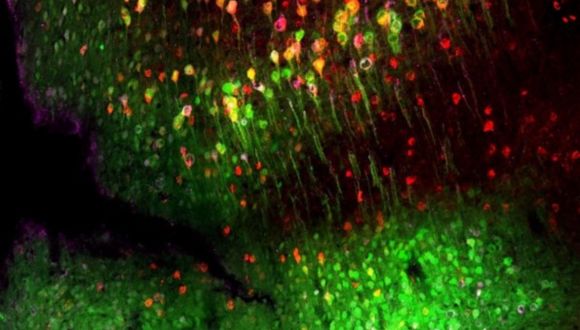
α-synuclein spread in the mouse brain.
At first, the researchers genetically engineered a mouse model without the TMEM16F gene, and derived neurons from the brains of these mice for an in-vitro cellular model. Using a specially engineered virus, they caused these neurons to express the defective α-synuclein associated with Parkinson's and compared the results with outcomes from normal brain cells containing TMEM16F. They found that when the TMEM16F gene had been deleted, the α-synuclein pathology spread to fewer healthy neighboring cells compared to the spread from normal cells. The results were validated in-vivo in a living mouse model of Parkinson's disease.
In addition, in collaboration with the Neurological Institute at the Tel Aviv Sourasky Medical Center, the researchers looked for mutations (variants) in the TMEM16F gene that might increase the risk for Parkinson's disease. Dr. Ashkenazi explains: "The incidence of Parkinson's among Ashkenazi Jews is known to be relatively high, and the Institute conducts a vast ongoing genetic study on Ashkenazi Jews who carry genes increasing the risk for the disease. With their help, we were able to identify a specific TMEM16F mutation which is common in Ashkenazi Jews in general, and in Ashkenazi Parkinson's patients in particular". Cells carrying the mutation were found to secrete more pathological α-synuclein compared to cells with the normal gene. The researchers explain that the mechanism behind increased secretion has to do with the biological function of the TMEM16F protein: the mutation increases the activity of TMEM16F, thereby affecting membrane secretion processes.
Stav Cohen Adiv Mordechai: "In our study, we discovered a new factor underlying Parkinson's disease: the protein TMEM16F, which mediates secretion of the pathological α-synuclein protein through the cell membrane to the cell environment. Picked up by healthy neurons nearby, the defective α-synuclein forms Lewy bodies inside them, and gradually spreads through the brain, damaging more and more brain cells. Our findings mark TMEM16F as a possible new target for the development of effective treatments for Parkinson's disease. If, by inhibiting TMEM16F, we can stop or reduce the secretion of defective α-synuclein from brain cells, we may be able to slow down or even halt the spread of the disease through the brain".
Dr. Ashkenazi emphasizes that research on the new Parkinson's mechanism has only begun, and quite a number of questions still remain to be explored: Does inhibiting TMEM16F actually reduce the symptoms of Parkinson's disease? Does the lipid composition of cell membranes play a part in spreading the disease in the brain? Is there a link between mutations in TMEM16F and the prevalence of Parkinson's in the population? The research team intends to continue the investigation in these directions and more.

Research
New research reveals the untapped power of mobile sensors.
A new study from Tel Aviv University has found that the smartphones we all carry in our pockets could help collect weather data from the public to provide early warnings for extreme weather, such as wildfires.
The researchers explain that all smartphones are equipped with multiple micro-sensors capable of collecting important environmental data, such as temperature, barometric pressure, humidity, magnetic field, light, sound, location, acceleration, gravity, and more. These data help us find our way or define our location, they warn us when the battery overheats or the device absorbs moisture - all in real-time, without saving the data. The researchers demonstrated that smart use of such data could support early warnings for severe wildfire events, especially since millions or even billions of data points are collected worldwide every day by our smartphones. Today, early warning systems in remote forested areas typically lack data due to the absence of weather stations in remote locations. The public, however, takes their smartphones everywhere, with each phone containing sophisticated micro-sensors that operate continuously in the background, but these data are normally lost and not saved. However, many companies have started to collect smartphone data to use for various purposes, with user consent. The researchers believe that this huge data source (as of 2024, there are over 7 billion smartphones worldwide) could aid in forecasting extreme weather and natural disasters.
Prof. Colin Price and PhD student Hofit Shachaf from the Department of Geophysics in the Porter School of the Environment and Earth Sciences at Tel Aviv University used data collected from the global public via the WeatherSignal app (OpenSignal) to develop a methodology for assessing wildfire risk based solely on smartphone data collected by the public. The results were recently published in the journal Natural Hazards and Earth System Sciences (NHESS).

Prof. Colin Price.
One key parameter determining the likelihood of a wildfire is the moisture content in vegetation (essentially the fuel available for the fire) - which, in turn, is determined by the temperature and relative humidity of the surrounding air. Both temperature and relative humidity can be easily obtained from the public's smartphones.
Hofit Shachaf explains: “We developed an index based on VPD (vapor pressure deficit), which reflects the dryness of the vegetation based on environmental parameters (temperature and humidity). In hot and dry atmospheric conditions more moisture is drawn from the plants, due to enhanced evaporation and transpiration (evapotranspiration) that essentially facilitates ignition of fires. In cooler, more humid air, forests do not usually catch fire since their moisture level is too high. Previous studies have also used VPD to predict wildfire risk levels - though the data for these calculations is mostly obtained from local weather stations. The novelty of our study is the utilization of data collected from smartphones, without their users' active participation, to calculate VPD over large areas and at high spatial and temporal resolutions - providing important insights into wildfire risk evaluation”.
However, smartphone data do contain errors. The temperature reading might reflect the air conditioning in your office, while the humidity sensor might identify moisture when the user is taking a shower. However, the huge amount of data collected from smartphones allows us to remove outliers in the data set. Furthermore, since the micro-sensors are not calibrated before they are put in our phones, it was necessary first to calibrate the local smartphone data against commercial meteorological stations. This procedure turned out to be relatively straightforward, with just a single calibration needed to correct a smartphone's readings. After calibrating or “training” the device, the researchers analyzed two major wildfire events: fires in Israel in November 2016 and the massive fire in Portugal in July 2013. The results were surprising, with smartphone data collected from the public showing significant VPD anomalies before and during these major fires.
Hofit Shachaf adds: “It’s surprising, but even though each smartphone has its errors and biases, with large amounts of data from many smartphones, we can average out the errors and still retain useful data. The large volume of data helps overcome issues associated with individual smartphones”.
Global smartphone coverage has increased by about 30% in the last five years. As their global density continues to grow, data collected from smartphones could eventually offer better spatial resolution than traditional meteorological networks - especially in urban areas where natural disasters like fires and floods, can have a significant impact. Moreover, in low-income countries lacking meteorological infrastructures, smartphones could provide useful data for monitoring extreme weather conditions.
Prof. Price concludes: “Given the rapid increase in smartphones worldwide, we propose utilizing this data source to provide better early warnings to the public and disaster managers about impending natural disasters. Better early warnings could prevent natural hazards from becoming natural disasters”.

Research
Oriental hornets are the only animals able to drink unlimited amounts of alcohol.
A new study from the School of Zoology and the Steinhardt Museum of Natural History at Tel Aviv University has revealed that the Oriental hornet is the only known animal capable of chronically consuming alcohol in high concentrations with almost no negative effects on its health or lifespan. The research team says, "This is a remarkable animal that shows no signs of intoxication or illness even after ingesting huge amounts of alcohol."
The research was conducted under the leadership of postdoctoral fellow Dr. Sofia Bouchebti from Prof. Eran Levin's laboratory at Tel Aviv University’s School of Zoology and the Steinhardt Museum of Natural History. The study was published in the journal Proceedings of the National Academy of Sciences of the United States of America (PNAS).
The researchers explain that alcohol is commonly produced in nature through the breakdown of sugars by yeasts and bacteria, primarily found in ripe fruits and nectar. Although alcohol contains nearly twice the amount of energy as sugar, it is toxic to most animals — including us humans — with occasional consumption, and especially with chronic use. Among the animals known to consume alcohol are fruit flies, which show signs of alcohol poisoning even at relatively low concentrations, and treeshrews — mammals native to East Asia that feed on ripe, alcohol-rich fruits — who show symptoms such as fatty liver and other effects indicative of alcoholism after consuming low concentrations of alcohol continuously for several days.
As for humans, many of us like consuming alcohol. Humans domesticated the wine grape around 10,000 years ago, and compared to other animals, we can tolerate and often enjoy consuming relatively high amounts of alcohol. However, as we know, alcohol has significant effects on behavior, cognition, and, of course, health, with a host of diseases linked to its consumption.

Hornets Can Handle Their Liquor
In the new study, the research team tested the Oriental hornet’s ability to consume alcohol and break it down. Dr. Bouchebti explains: "The hornets naturally store yeasts in their digestive system, which provides them with a unique environment that allows the yeast to develop and reproduce, creating new strains. One explanation is that hornets transfer yeasts to fruits, which indirectly contributes to the production of wine. In our study, we labeled the alcohol consumed by the hornets with a heavy carbon isotope. As the alcohol is metabolized, it breaks down into carbon dioxide, which is exhaled. By measuring the amount of labeled carbon dioxide emitted, we were able to estimate the speed at which the alcohol was broken down. The findings were surprising; we were amazed to see the rapid rate at which the hornets metabolized the alcohol".
In the next stage, the researchers sought to determine whether the Oriental hornet ever becomes intoxicated. Does increased alcohol consumption affect their behavior, for example causing aggression or impacting their nest-building abilities? Here too, the findings were surprising: even when consuming high concentrations of alcohol (80 percent alcohol as the sole source of nutrition) there was no noticeable effect on the hornets’ behavior. In the final phase of the study, the researchers tested whether alcohol had any impact on the hornets’ lifespan and health. Once again, they were amazed to discover that no differences were found between the lifespan of hornets that consumed only alcohol for their entire lives (three months) and hornets that consumed sugar water.
No Hangovers Here
Prof. Levin concludes: "To the best of our knowledge, Oriental hornets are the only animal adapted to consuming alcohol as a metabolic fuel. They show no signs of intoxication or illness, even after chronically consuming huge amounts of alcohol, and they eliminate it from their bodies very quickly. In a bioinformatics analysis of the Oriental hornet’s genome, conducted by Prof. Dorothee Huchon, it was discovered that the hornet possesses several copies of the gene responsible for producing the enzyme that breaks down alcohol; this genetic adaptation may be related to their incredible ability to handle alcohol. We propose that the ancient relationship between hornets and yeast led to the development of this adaptation. Furthermore, while alcohol-related research is highly advanced, with 5.3 percent of deaths in the world linked to alcohol consumption, we believe that, following our research, Oriental hornets could potentially be used to develop new models for studying alcoholism and the metabolism of alcohol".