Doubling adult stem cells for bone marrow and immune system regeneration.




Research
Doubling adult stem cells for bone marrow and immune system regeneration.
An international research team, led by scientists from Tel Aviv University and Sheba Medical Center, has unveiled an innovative method for activating adult stem cells from human bone marrow, enabling their expansion outside the body for use in bone marrow regeneration and the construction of a new blood and immune system.
The findings, published in the prestigious journal Nature Immunology, represent a breakthrough that could significantly improve transplant success rates for patients who have undergone intensive chemotherapy, suffer from genetic disorders, or require a bone marrow transplant but are unable to source a sufficient number of stem cells from a donor.
The study was led by Dr. Tomer Itkin from the Faculty of Medical and Health Sciences and the Sagol Center for Regenerative Medicine at Tel Aviv University, and the Neufeld Cardiac Research Institute at Sheba Medical Center, Tel Hashomer. The research also included contributions from leading medical institutions worldwide, including Weill Cornell Medical College and Hospital in New York, the Memorial Sloan Kettering Cancer Center (MSKCC), Mount Sinai Hospital, the University of Toronto Medical Center, and the Fred Hutchinson Cancer Research Center in Seattle.
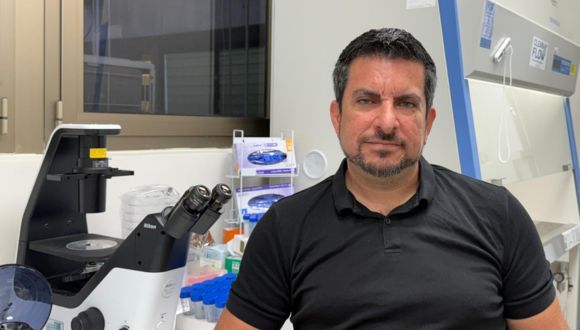
Dr. Tomer Itkin.
Switching On Stem Cells
In the study, which is based on a comprehensive big data analysis of RNA sequencing and epigenetic DNA sequencing, the researchers identified a key protein—the Fli-1 transcription factor—that activates stem cells of the immune and blood system. These stem cells are highly active when sourced from umbilical cord blood but remain in a "dormant" and inactive state when obtained from adult bone marrow donors. Using modified mRNA technology—the same technology used to develop COVID-19 vaccines—the researchers successfully "awakened" the adult stem cells, allowing them to divide in a controlled manner without cancer risk. The activated cells were expanded on endothelial cells, which mimic the blood vessels that support stem cells in the bone marrow environment, demonstrating an enhanced ability to integrate and restore blood production under transplant conditions.
According to Dr. Itkin, "This new method significantly expands the available pool of stem cells for transplantation without relying on rare bone marrow donors. Additionally, the method can be used to treat patients whose stem cells have undergone genetic correction, such as those with thalassemia and hereditary anemia, as well as patients who have undergone multiple rounds of chemotherapy and have an insufficient number of stem cells for autologous transplantation".
The key takeaway from the study is that activating stem cells through molecular programming, rather than arbitrary cell transplantation, substantially improves the success rates of regenerative treatments. The next stage of research involves testing the method in clinical trials to bring this groundbreaking technology into widespread therapeutic use. Furthermore, the researchers plan to apply the same therapeutic approach to regenerate additional tissues, including those without existing adult stem cells, such as the heart.

Research
Is PTEN the key to advancing autism and cancer research?
A novel scientific method developed at Tel Aviv University promises to accelerate our understanding of the gene PTEN, a key player in cellular growth. This breakthrough will help scientists better understand how cells grow and divide, potentially leading to advancements in the treatment of various conditions, including developmental disorders and various forms of cancer.
The study, led by Dr. Tal Laviv in the Faculty of Medical and Health Sciences at Tel Aviv University, was published in the prestigious journal Nature Methods.
The research team explains that cells in the human body constantly adjust their size and rate of division to adapt to their environment throughout life. This process is crucial for normal development, as cells go through periods of precise growth regulation. When this process is disrupted, it can lead to severe diseases such as cancer and developmental disorders.
In the brain, regulating cellular growth is especially critical during early brain development, which occurs in the first years of life. Many genes are involved in this regulation, but one gene in particular—PTEN (Phosphatase and Tensin Homologue)—plays a central role. Mutations in PTEN are linked to a variety of conditions, including autism, epilepsy, and cancer.
Dr. Tal Laviv explains: “Many studies have shown that PTEN is essential for regulating cell growth in the brain by providing a stop signal. This means PTEN activity is crucial for maintaining cells at their proper size and state. There is growing evidence that mutations in PTEN, which reduce its activity, contribute to diseases like autism, macrocephaly, cancer, and epilepsy. Despite the critical role PTEN plays in cellular function, scientists have had limited tools to measure its activity. For example, it wasn't to directly measure PTEN activity in an intact brain, which would greatly help our understanding of its role in health and disease”.
Dr. Laviv and his research team, led by MD-PhD student Tomer Kagan, have developed an innovative tool that directly measures PTEN activity with high sensitivity in various research models, including in the intact brains of mice. This groundbreaking technology, which combines advancements in genetic tools and microscopy, will allow scientists to gain deeper insights into why PTEN is so crucial for normal brain development. It could also improve our understanding of how PTEN-related diseases, such as cancer and autism, develop.
The researchers predict that this new tool will enable the development of personalized therapeutics by monitoring PTEN activity in various biological settings. Additionally, it could help identify diseases at earlier stages, potentially leading to faster and more effective treatments.

Research
.ADNP Protein Causes Different Brain Damage in Males and Females.
Researchers at Tel Aviv University, led by Prof. Illana Gozes, examined the effects of different mutations in the ADNP protein, which is essential for normal brain development and aging, on the brain cells of mice — distinguishing between males and females. To their surprise, they found that the defective protein affects completely different mechanisms in the two sexes: in males, the damage occurs in a mechanism that protects the structure of proteins, which in turn disrupts the process of neurogenesis — the production of new brain cells from stem cells — a process crucial for memory and learning. In females, on the other hand, the mechanism that regulates energy within the cell is impaired, preventing the brain from receiving sufficient energy. All of these processes are essential for maintaining memory and learning functions, and their disruption causes significant impairment in both sexes, leading to the development of incurable brain diseases such as Alzheimer's, in which ADNP is also found to be defective.
The research was conducted by Prof. Illana Gozes, Dr. Gidon Karmon, and doctoral student Guy Shapira from theFaculty of Medical & Health Sciences and the Sagol School of Neuroscience at Tel Aviv University. Additional contributors to the study include Prof. Noam Shomron, Dr. Gal Hacohen-Kleiman, doctoral student Maram Ganaiem from the Faculty of Medical and Health Sciences, Dr. Shula Shazman from the Department of Mathematics and Computer Science at the Open University, and researchers from the University Hospital of Thessaloniki in Greece. The study was published in the prestigious journal Molecular Psychiatry from Nature.
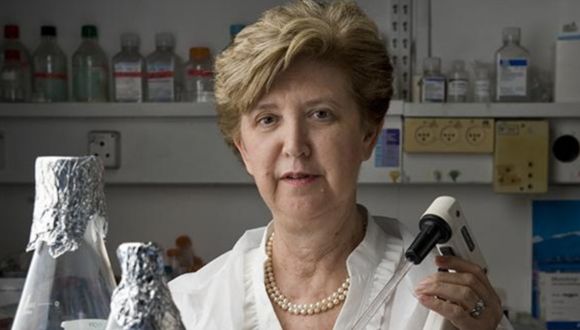
Prof. Illana Gozes.
Prof. Gozes stated: "The ADNP protein was discovered in my lab, and we have been researching it for many years. We found that it is critical for brain development and plays a protective role in neurodegenerative diseases like Alzheimer's. Additionally, it was found that defects in the ADNP gene cause ADNP syndrome, a rare genetic disorder associated with developmental delays, learning disabilities, and symptoms of autism. In parallel, we are developing the experimental drug Davunetide, which is based on a fragment of the ADNP protein. In this study, we aimed to examine whether ADNP is involved in the process known as 'neurogenesis' — the formation of new neurons from stem cells in the adult brain, a process essential for memory and learning. We focused on the hippocampus, a brain region crucial for memory, in adult mice".
Using genetic engineering, the researchers established two mouse models reflecting different forms of ADNP syndrome: mice that express only half the normal amount of ADNP, with only one active allele in the DNA instead of two, which are typically inherited from both parents and mice with a mutation in the ADNP gene that truncates the protein production process, resulting in a shorter-than-normal ADNP protein.
The researchers note that the most severely affected children with ADNP syndrome are those with the mutation that produces the truncated protein. Additionally, neurogenesis was examined in a control group of healthy mice.
To track the course of neurogenesis, a substance was injected into the mice, staining the DNA of brain cells participating in the process. The data were analyzed using computational bioinformatics methods, proving that ADNP plays a crucial role in neurogenesis. Furthermore, a significant difference was found between how ADNP functions in males versus females. First, in healthy mice, neurogenesis was more active in males than females, while in male mice with an ADNP mutation, neurogenesis was reduced to the same level as in females. A fundamental difference between the sexes was also identified in an additional research method: RNA sequencing of all genes in the hippocampus of mice with the truncated ADNP protein.
Prof. Gozes explains: "There was almost no overlap. The damage to the ADNP protein affected completely different mechanisms in male and female brains. The explanation for this phenomenon is that in males, one of the functions of ADNP is to regulate a mechanism that maintains protein structure (unfolded protein response), which in turn regulates neurogenesis. The ADNP gene is a master regulator of this entire mechanism in male brains, and when it is defective, the process is significantly impaired. In females, however, the ADNP protein enters the mitochondria — the cell’s energy powerhouse — and when the mutation alters the protein’s structure, less ADNP can enter the mitochondria. As a result, energy production in the cell is likely impaired, disrupting brain function, which requires a large amount of energy".
As part of the study, the researchers also tested the effectiveness of the experimental drug Davunetide, based on the NAP fragment of the ADNP protein, in treating affected mice. They observed a positive effect in all cases, with particularly significant neurogenesis recovery in the model where mice had only half the normal ADNP levels.
Prof. Gozes concludes: "Our research shows that ADNP is closely linked to neurogenesis and that it functions differently in males and females — a finding that has also emerged in previous studies. Additionally, we found that Davunetide, the drug that we discovered and are developing, is effective. We aim to soon begin a clinical trial in children with ADNP syndrome (ADNP deficiency). We hope that in the future, the drug will also help Alzheimer's patients — in whom we previously found sex-based differences — as well as other neurodegenerative diseases where ADNP is impaired. Notably, the rare and incurable disease Progressive Supranuclear Palsy (PSP), which has pathological similarities to Alzheimer’s disease, showed significant improvement in women treated with Davunetide in our previous clinical study".
The pharmaceutical development is being carried out by ExoNavis Therapeutics Ltd under a licensing agreement with Ramot, Tel Aviv University’s technology transfer company. Prof. Gozes serves as Vice President for Drug Development at the company.

Research
This gene-editing success from TAU could change cancer treatment forever.
Researchers from Tel Aviv University utilized CRISPR to cut a single gene from cancer cells of head and neck tumors – and successfully eliminated 50% of the tumors in model animals. This groundbreaking study was led by Dr. Razan Masarwy, MD, Ph.D. from the lab of Prof. Dan Peer - a global pioneer in mRNA-based drugs, Director of the Laboratory of Precision Nanomedicine, VP for Research and Development and member of the Shmunis School of Biomedicine and Cancer Research – all at TAU. The findings were published in the prestigious journal Advanced Science.
A New Approach to Treating Head and Neck Cancers
“Head and neck cancers are prevalent, ranking fifth in cancer mortality”, says Prof. Peer. “These are localized cancers, typically starting in the tongue, throat, or neck, which can later metastasize. If detected early, localized treatment can effectively target the tumor. We aimed to use genetic editing of a single gene expressed in this type of cancer to collapse the entire pyramid of the cancerous cell. This gene is the cancer-specific SOX2, also expressed in other types of cancer and overexpressed in these particular tumors”.

Prof. Dan Peer.
Prof. Peer and his colleagues are global pioneers in developing mRNA-based drugs encased in synthetic lipid particles that mimic biological membranes. In this study, the researchers synthesized special lipids that encapsulate the delivered CRISPR system in an RNA format. An antibody targeting a receptor against a protein named EGF was attached to the surface of these particles.
“These tumors are highly targeted”, explains Prof. Peer. “We targeted EGF because the cancer cells express the EGF receptor. Using our nano-lipid delivery system, we injected the drug directly into the tumor in a tumor model and successfully took out the gene - cutting it out from the cancer cell's DNA with the CRISPR 'scissors'. We were happy to observe the domino effect we had predicted. Following three injections spaced one week apart, 50% of the cancerous tumors simply disappeared after 84 days - which did not happen in the control group”.

Prof. Dan Peer & research team.
TAU Pioneers CRISPR for Cancer Treatment
In 2020, Prof. Peer and his team were the first in the world to use CRISPR to cut genes from cancer cells in mice and a cell-specific manner, and this is the first time they have applied it to head and neck cancers.
“Generally, CRISPR isn't used for cancer because the assumption is that knocking out one gene wouldn’t collapse the whole pyramid. In this study we demonstrated that there are some genes without which a cancer cell cannot survive, making them excellent targets for CRISPR therapy. Since cancer cells sometimes compensate with other genes, it's possible that additional genes need to be cut out, or perhaps not. Theoretically, this approach could be effective against many types of cancer cells, and we are already working on additional cancer types, including myeloma, lymphoma, and liver cancer”.
This study was supported in part by the EXPERT project (European Union’s Horizon 2020 research and innovation programme (under grant agreement # 825828), and the Shmunis Fund for gene editing.

Research
A two-atom-thick, frictionless layer could boost speed, efficiency, and durability.
A groundbreaking technological advancement from Tel Aviv University has, for the first time, enabled the application of the scientific phenomenon of superlubricity in electronic components. As a result, the research team successfully harnessed frictionless sliding to significantly enhance the performance of memory components in computers and other electronic devices.
The study was led by Dr. Youngki Yeo, Mr. Yoav Sharaby, Dr. Nirmal Roy, and Mr. Noam Raab, all members of the Quantum Layered Matter Group headed by Professor Moshe Ben Shalom's at the School of School of Physics & Astronomy , Tel Aviv University. The research was recently published in the prestigious journal Nature.
The research team explains that friction is a force that prevents free sliding between surfaces. On one hand, it is essential—for example, it keeps us from slipping in the shower—but on the other, it causes wear and energy loss. In the human body, evolution has developed advanced lubricants for joints, but even they degrade over time (as our knees occasionally remind us).
This issue is particularly critical in the world of computing. Tiny memory components operate at extremely high speeds—millions of cycles per second—and run continuously in computers, artificial intelligence, and advanced medical systems. Any improvement in efficiency, durability, and energy consumption directly translates into major technological advancements.
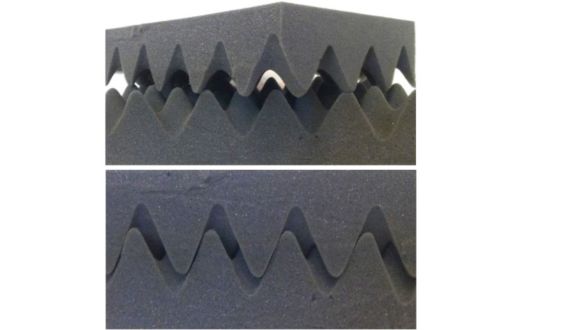
Interlocking foam structures demonstrating vanishing large friction for desynchronized atomic planes (Photo credit: Adi Hod).
Nature's Secret: Superlubricity and Frictionless Surfaces
The researchers highlight that nature has found a way to create nearly frictionless surfaces, a phenomenon known as superlubricity. To understand this concept, imagine placing two egg cartons on top of each other: when perfectly aligned, they interlock and resist movement, but when slightly rotated, they slide freely. Similarly, when atomic layers of certain materials are somewhat misaligned, their atoms fail to synchronize, and friction between them nearly disappears.
About 20 years ago, scientists discovered that two rotated layers of graphite exhibit almost immeasurable friction— a breakthrough that paved the way for our development of next-generation memory technologies based on superlubricity.
"In our lab", explains Professor Moshe Ben Shalom, "we construct layered materials where even the tiniest atomic displacement causes electrons to move between layers. The result: a memory device just two atoms thick—the thinnest possible".
In the current study, the team developed a novel method for exploiting frictionless sliding to significantly improve memory performance.
Dr. Yeo's experiment involved combining ultrathin atomic layers of boron and nitrogen, separated by a perforated graphene layer. Within the nano-sized holes (just 100 atoms wide), the boron and nitrogen layers self-align, but between these islands, thanks to the unsynchronized graphene layer, friction disappears!
This phenomenon allows atoms within the aligned islands to slide quickly and efficiently, enabling unprecedentedly efficient data read/write operations while consuming significantly less energy.
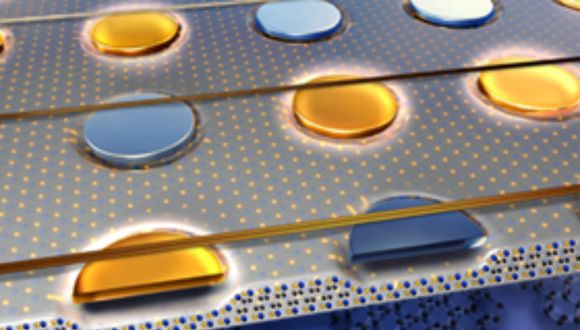
Illustration - Superlubricity Applied in Electronic Devices Only Two Atoms Thick (Photo credit: Sayostudio).
Self-Organizing Memory for AI and Beyond
Professor Ben Shalom emphasizes: "Our measurements show that the efficiency of this new memory technology is significantly higher than existing technologies, with zero wear and tear. Beyond this, the new memory arrays reveal an intriguing effect: when the tiny islands are close to one another, atomic motion in one island influences neighboring islands. In other words, the system can self-organize into coupled memory states, a phenomenon that could lead to groundbreaking advancements in computing, including artificial intelligence and neuromorphic architectures (computing that mimics brain function)".
The research team concludes: "We are developing this technology through SlideTro LTD, a company founded on these discoveries, and in collaboration with Ramot, Tel Aviv University's technology transfer company. We believe that in the near future, this innovation will enable the development of ultrafast, reliable, and highly durable memory arrays".
Their future research aims to explore new computational possibilities through mechanical coupling between memory bits, an interaction that was previously impossible. Perhaps superlubricity will drive the next revolution in computing.
This research is funded by the European Research Council (ERC) and the Israel Science Foundation (ISF).

Research
Research reveals the city’s surprising effect on birth timing.
A groundbreaking study from Tel Aviv University, the first of its kind on mammals, has found that bats living in urban environments give birth, on average, about 2.5 weeks earlier than bats living in rural areas. The researchers attribute this difference in birthing times between the city and the countryside to more favorable temperatures and greater food abundance in urban areas. Bats are mammals, making this the first study to link the urban living environment to the timing of birth in mammals.
The research was led by the lab team of 2021 Kadar Family Award recipient Prof. Yossi Yovel from the School of Zoology in the Wise Faculty of Life Sciences and the Steinhardt Museum of Natural History at Tel Aviv University. The study included contributions from Dr. Maya Weinberg, Dean Zigdon, and Mor Taub, and was published in the scientific journal BMC Biology.

Prof. Yossi Yovel.
Over three years, the researchers monitored ten bat colonies in urban and rural areas, sampling hundreds of female bats and approximately 120 pups from these colonies. The findings revealed that pups born in urban colonies were, on average, 2.5 weeks older, as evidenced by their longer forearms and higher body weights compared to pups from rural colonies.
Prof. Yovel explains: “Fruit bats living in cities benefit from favorable environmental conditions, including higher temperatures due to the ‘urban heat island’ effect and greater food availability, primarily from ornamental fruit trees irrigated year-round. These conditions allow urban bats to cope better with harsh winters and start their reproductive cycles earlier. This enables females to give birth earlier in the season, increasing their chances of becoming pregnant again within the same year.”
However, the researchers emphasize that it remains unclear whether the bats are shortening their pregnancies (a capability known in some bat species) or becoming pregnant earlier. They add that the study opens the door to further research on how urbanization affects mammalian reproductive patterns in general and bats in particular, and how these findings can be used to protect other species in changing ecosystems. “This study highlights the importance of understanding the connection between animals and their environments, especially in an era when urbanization is reshaping the planet,” concludes Prof. Yovel.

A mother bat in flight, carrying her pup beneath her in the city and countryside (Photo credit: Yuval Barkai).