Using RNA-based nanodrugs the researchers achieve 80% survival rate in lab models




Research
Using RNA-based nanodrugs the researchers achieve 80% survival rate in lab models
Ovarian cancer ranks fifth in cancer deaths among women, accounting for more deaths than any other cancer of the female reproductive system. In a study conducted at Tel Aviv University researchers used protein CKAP5 (cytoskeleton-associated protein) for the first time as a therapeutic target for RNA-based nanodrugs. After identifying a genetically unstable mutation resistant to both chemotherapy and immunotherapy in the tissues of ovarian cancer, the researchers targeted these cells with lipid nanoparticles containing RNA for silencing CKAP5 - causing the cells to collapse and achieving an 80% survival rate in animal models.
"The lipid nanoparticles developed by Prof. Peer enabled us for the first time to silence [the CKAP5] protein through targeted delivery of an RNA drug. We proved that CKAP5, a protein responsible for the cell's stability, can be silenced, and that this procedure collapses and destroys the entire cancer cell." - Dr. Sushmita Chatterjee
The breakthrough was achieved by a TAU research team led by Prof. Dan Peer of The Shmunis School of Biomedicine and Cancer Research, a global pioneer in the development of RNA-based drugs, Head of the Laboratory of Precision Nanomedicine, and TAU's VP for R&D; and by Dr. Sushmita Chatterjee, post-doctoral student from India at Prof. Peer’s lab, in collaboration with Prof. David Sprinzak of The George S. Wise Faculty of Life Sciences and Prof. Ronen Zaidel-Bar of the Sackler Faculty of Medicine. The study was funded by the Rivkin Foundation for Ovarian Cancer Research and the Shmunis Family Foundation. The results were published in the leading scientific journal Science Advances.
"The protein CKAP5 has never been studied with relation to the fight against cancer, simply because there was no known way to silence it," explains Dr. Chatterjee. "The lipid nanoparticles developed by Prof. Peer enabled us for the first time to silence this protein through targeted delivery of an RNA drug. We proved that CKAP5, a protein responsible for the cell's stability, can be silenced, and that this procedure collapses and destroys the entire cancer cell."
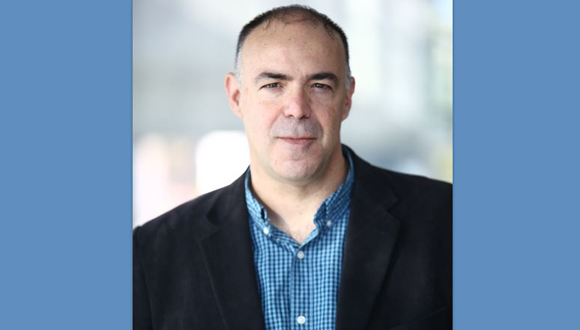
Prof. Dan Peer
At the second stage of the study the researchers tested the new CKAP5-silencing RNA drug on 20 types of cancer. Some cancer cells proved more sensitive than others to this procedure. Cancers displaying high genetic instability, which are usually highly resistant to chemotherapy, were found to be especially sensitive to the silencing of CKAP5.
"As researchers, we are involved in something like a dominoes game: we always look for the one piece in the cancer's structure that is so important, that if we pull it out the entire cell will collapse. CKAP5 is such a domino piece, and we are already working on more applications (…)" - Prof. Dan Peer
"All cancer cells are genetically unstable," says Dr. Chatterjee. "Otherwise, they would be healthy, not cancerous. However, there are different levels of genetic instability. We found that cancer cells that are more unstable, are also more affected by damage to CKAP5. Our drug pushed them to their limit, and essentially destroyed their structure. Our idea was to turn the trait of genetic instability into a threat for these cells, by using RNA to silence the flawed protein. We demonstrated for the first time that CKAP5 can be used to kill cancer cells, and then observed the biological mechanism that causes the cancer cells to collapse in the protein's absence."
Equipped with these insights, the researchers tested the new drug in an animal model for ovarian cancer, achieving a survival rate of 80%.
"We chose ovarian cancer because it's a good target," explains Prof. Peer. "While highly resistant to both chemotherapy and immunotherapy, this type of cancer is very sensitive to the silencing of CKAP5. It should be emphasized that the CKAP5 protein is a new target in the fight against cancer. Targeting cell division is not new, but using RNA to target proteins that make up the cell's skeleton (cytoskeleton) – this is a new approach and a new target that must be further investigated. As researchers, we are involved in something like a dominoes game: we always look for the one piece in the cancer's structure that is so important, that if we pull it out the entire cell will collapse. CKAP5 is such a domino piece, and we are already working on more applications, this time in blood cancers."

Research
New study finds that pregnancy affects bats' sensing capabilities
"Pregnancy brain" - sometimes called “brain fog” or “mommy brain" - refers to a pregnant woman's forgetfulness during and shortly after pregnancy. And there have indeed been several studies pointing to an impairment of the cognitive abilities of pregnant women. Apparently, the condition does not just affect us humans: a new Tel Aviv University study reveals that bats, too, experience a decline in their ability to hunt and orient in space during pregnancy.
This impairment stems from the fact that they produce about 20 percent fewer calls, the sounds that allow them to orient themselves using echolocation, on top of flying at a slower pace and at a lower altitude. The researchers highlight the fact that, to the best of their knowledge, this is the first evidence of pregnancy affecting mammals’ sensory abilities.
"When a bat makes fewer calls, it gathers less information about the environment, its chance of colliding with objects increases, and its chance of finding food decreases — and this is at a time when the bat needs extra food to sustain the fetus in its womb." Prof. Yossi Yovel
The study was led by Mor Taub, a research assistant in the laboratory of Prof. Yossi Yovel, head of Tel Aviv University’s Sagol School of Neuroscience and faculty member of the School of Zoology at The George S. Wise Faculty of Life Sciences. The study’s findings were published in the journal BMC Biology.
Mor Taub explains: “At the peak of pregnancy, bats carry about 20 percent more than their normal body weight, and it is clear that this excess weight impacts their flying capacity. In this study, we wanted to check whether and to what extent pregnancy affects bats’ echolocation ability, their sonar."
"Bats’ sonar is based on the emitting and receiving of strong and frequent sounds in order to map their surroundings. To make these sounds, bats, like us humans, need to transfer high-pressure air from the lungs through the vocal cords, or vocal membranes, which involves many muscles, such as the chest and diaphragm. We wanted to see if the excess weight from pregnancy affects the production of sounds.”

Prof. Yossi Yovel
To this end, Prof. Yovel and his colleagues taught bats to search for and land on a small landing pad in a flight room in the bat laboratory at Tel Aviv University’s Garden for Zoological Research. They recorded the echolocation of two groups: pregnant bats and non-pregnant bats. The researchers found that the rate at which the pregnant bats emitted sounds was significantly lower than that of the control group, with 20% greater intervals between each sound.
Prof. Yovel, Kadar Family Award for Outstanding Research recipient, explains that “bats change the rate of the sounds they make in accordance with the level of difficulty of the task. The average rate is about ten calls per second, but when the bat lands, this rate can increase to 100 calls per second. The pregnant bats produced sounds at a rate of only about seven per second and flew a little slower and lower."
"Obviously, this slowing down is likely to affect their hunting. When a bat makes fewer calls, it gathers less information about the environment, its chance of colliding with objects increases, and its chance of finding food decreases — and this is at a time when the bat needs extra food to sustain the fetus in its womb. In the second phase of the study, we used a computer simulation to simulate the effect of the decreased rate of calls on the bats’ performance, and indeed, we saw that the slowed rate makes it more difficult for the bats to locate prey.”
“This is the only evidence we found in the professional literature showing that pregnancy affects mammals’ sensory abilities.” - Mor Taub
The bats in the experiment were of the Kuhl's pipistrelle species, tiny bats that weigh only about six grams (when they are not pregnant). These bats are very common in Israel, and feed mainly on mosquitoes. Despite their weight, bats can live for decades, and their pregnancies are therefore also relatively long, lasting about four months.
Previous studies conducted on other species of bats have shown that during pregnancy, bats tend to change their diets. To date, the assumption was that this change in diet was due to the bats’ difficulty in flying, but the current study raises the possibility that the change may also be due to their sensory difficulty in detecting certain types of prey.
“This is the only evidence we found in the professional literature showing that pregnancy affects mammals’ sensory abilities,” says Mor Taub. “We assume that there are similar cases in other species as well, but this is the first time that researchers have been able to measure and demonstrate the impairment empirically. Beyond the scientific interest, it is important to preserve mammal species in the wild, especially during pregnancy and newborn care, since animals are particularly vulnerable during this period.”

Research
Technology-driven treatment found to be as effective as psychiatric medications
A new clinical trial conducted at Tel Aviv University has demonstrated an effective technology-driven alternative to psychiatric medications for people with social anxiety. The groundbreaking study found that Gaze-Contingent Music Reward Therapy (GC-MART) is as effective in treating social anxiety disorder as drugs from the SSRI family. The innovative treatment developed at TAU relieved the symptoms of about 50% of the study participants. The researchers hope that this therapy will soon be available as an effective alternative to psychiatric medications.
The study was led by Prof. Yair Bar-Haim, Director of the Adler Center for Child Development and Psychopathology, and of the Center for Traumatic Stress and Resilience at Tel Aviv University, together with research students Gal Arad and Omer Azriel from The School of Psychological Sciences at the Gershon H. Gordon Faculty of Social Sciences at Tel Aviv University Other collaborators included the NIH, the Tel Aviv Sourasky (Ichilov) and Sheba Medical Centers, and Prof. Amit Lazarov of TAU. The paper was published in the prestigious American Journal of Psychiatry.
"About 4-12% of the population will develop social anxiety disorder at some stage of their lives. Quite often, people with this disorder avoid social situations – at a heavy interpersonal, professional, and economic price." Prof. Yair Bar-Haim
Prof. Bar-Haim explains that "about 4-12% of the population will develop social anxiety disorder at some stage of their lives. Quite often, people with this disorder avoid social situations – at a heavy interpersonal, professional, and economic price. At present, psychiatry and psychology offer sufferers two types of treatment: SSRI (Selective Serotonin Reuptake Inhibitor) drugs, such as Cipralex, and CBT (Cognitive-Behavioral Therapy). CBT requires 12-20 sessions with a qualified clinical psychologist, in which symptoms are relieved through gradual exposure to the cause of anxiety. Thus, while effective, CBT is a complex treatment necessitating the presence of a highly skilled therapist and requiring patients to face their deepest fears, a requirement that often leads to treatment dropout.
"Because CBT is demanding, expensive, and not readily accessible, many patients turn to medication. However, psychiatric drugs like Cipralex have their own drawbacks: first, some patients prefer not to use psychiatric drugs; second, entire populations, such as young children, pregnant women, and individuals with specific diseases, cannot take SSRI drugs; and third, in some cases the drug has certain side effects."
%20Prof.%20Yair%20Bar-Haim%20Gal%20Arad%20%26%20Omer%20Azriel_580.jpg)
The research team (left to right): Prof. Yair Bar-Haim Gal Arad and Omer Azriel
Now, researchers from TAU have developed a third option, which is easy-to-use, quick and simple, and apparently no less effective than psychiatric drugs. Moreover, since the treatment is highly patient-friendly, a much lower dropout rate may be expected.
In the clinical trial, 105 Israeli adults with social anxiety disorder were assigned into three groups: one group was treated with SSRI drugs, in this case Cipralex; a second group was treated with GC-MART; and a control group. After ten 30-minute training sessions, about 50% of the patients provided with the new therapy demonstrated significant improvement in their symptoms - a result similar to the outcome reported for patients who took Cipralex.
"With efficacy similar to that of an existing first line drug treatment, the new treatment does not require the patient to take medications regularly. The new treatment is simple and patient friendly." Prof. Yair Bar-Haim
"The therapy we developed is based on eye-tracking combined with a musical reward," explains Prof. Bar-Haim. "The patients choose the music they would like to hear – Israeli, classical, hip hop, etc., and is shown a simulation of a crowd on a computer screen. Usually, individuals with social anxiety disorder tend to dwell on scowling or threatening facial expressions, quickly picking them out and unable to look away. Consequently, they often interpret the crowd or social situations as hostile, negative, or critical. People without social anxiety disorder, on the other hand, prefer to focus on positive or neutral faces in a crowd. In the new therapy, the music chosen by the patient provides positive feedback for a normal focus of attention on facial expressions in the crowd presented on the screen. Gradually, through training, patients’ biased attention is normalized, and symptoms recede. All participants in our trial underwent a comprehensive clinical assessment both before and after the treatment and were also asked to report on the symptoms and their severity. Results indicated that the new treatment significantly reduced symptoms of social anxiety, with an efficacy that is similar to that of SSRI drugs."
"Our findings are encouraging for both therapists and patients. With efficacy similar to that of an existing first line drug treatment, the new treatment does not require the patient to take medications regularly. The new treatment is simple and patient friendly. It does not necessitate the prolonged intervention of a highly skilled psychologist, but rather interaction with social images on a screen, and therefore potentially offers accessible, effective, and convenient treatment for social anxiety disorder," concludes Prof. Bar-Haim.

Research
Six out of ten children whose parents restrict their smoking to the porch are at risk for being harmed by tobacco smoke
Many parents think that they are protecting their children by smoking on the porch or next to the window in a room. However, a new study by Tel Aviv University finds that, in contrast to such beliefs, restricting smoking to the porch does not protect most children from exposure to tobacco smoke. The research team tested for the presence of nicotine in the hair of children whose parents restrict their smoking to the porch or outside the house. Their findings are worrisome: nicotine was found in the hair of six out of ten children.
The researchers emphasize that “in Israel, home porches should be regarded as part of the environment of the home. Smoking next to a window or in another specific place in the home does not protect most children from exposure. Our recommendations are unequivocal: to reduce children’s exposure to tobacco smoke, smoking should be entirely avoided within a range of ten meters from the house. Likewise, in open areas, smokers should maintain a distance of at least ten meters from the children.”
"The Israeli situation is of great concern because in many cases, porches in Israel are directly adjacent to the living areas and may even be partially open some of the time (…) The parents mistakenly believe that the porch offers a 'safe' place to smoke." Prof. Leah (Laura) Rosen
The study was led by Prof. Leah (Laura) Rosen from the School of Public Health in Sackler Faculty of Medicine, Tel Aviv University. Also participating in the study: Prof. David Zucker from the Department of Statistics and Data Science, Hebrew University, Jerusalem; Dr. Shannon Gravely from the Department of Psychology, Waterloo University, Canada; Dr. Michal Bitan from the Computer Science Department, the College of Management; Dr. Ana Rule from the Department of Health and Environmental Engineering, Johns Hopkins Bloomberg School of Public Health, Baltimore; and Dr. Vicki Meyers from the Gertner Institute for Epidemiology and Public Policy Research, Sheba Medical Center. The study was published in the International Journal of Environmental Research and Public Health.
In the first stage of the study (published about two years ago), the research team studied hair samples of the children of smoking parents for the presence of nicotine. This provides an estimate of their exposure to tobacco smoke over the past months. It was found that 70% of the children of smoking parents had measurable hair nicotine.
In the current stage of the study, the researchers examined the data by the location of parental smoking. Analysis of the data showed that in families in which the parents restricted their smoking to the porch or outdoors, 62% of the children were still exposed to tobacco smoke.

Prof. Leah (Laura) Rosen
"It is known that smoking outside the house, even when the doors and windows are fully closed, does not completely protect children from exposure to tobacco smoke," says Prof. Rosen. "The Israeli situation is of great concern because in many cases, porches in Israel are directly adjacent to the living areas and may even be partially open some of the time. The proximity allows smoke to drift from those areas to the interior of the house. The parents mistakenly believe that the porch offers a 'safe' place to smoke."
"In fact, the children are likely to be directly exposed when they come out to the porch and someone is smoking, or when smoke drifts into the house. Once in the home, the smoke is absorbed into the environment, for example, into the furniture or walls or rugs, and is then gradually discharged into the air over weeks or months."
"Further, this residual smoke, known as third hand smoke, can be absorbed into the body from the environment via swallowing or through the skin, especially among infants and small children. In addition, smoking parents transmit the toxins from the tobacco smoke on their skin, on their hands, in their hair, on their clothing. Therefore, it is recommended to brush teeth, wash hands, and change clothes after smoking, before contact with children.”
"85% of tobacco smoke is invisible, and our sense of smell is not reliable, so many parents mistakenly believe that they are protecting their children, while in fact they are exposing them to substantial health risks." Prof. Leah (Laura) Rosen
Prof. Rosen notes that this new information is directly relevant to Case 1416/21 on neighbor smoking, currently being heard in the Supreme Court. The appeal against the Ministries of the Environment, Health, and Interior concerns the tobacco smoke that penetrates apartments as an environmental hazard, a claim that is supported by the definition of an environmental hazard in the Clean Air Law, the Hazard Prevention Law, and the Penal Code.
Prof. Rosen: “The results of this study show that among smoking families, restricting smoking to the porch does not protect most children from exposure to tobacco smoke. Therefore, the Health Ministry’s approach, which opposes protection for individuals from smoke incursion into their own homes to protect the smokers’ children, does not protect the children of smokers, and in addition it can cause substantial harm to neighbors and the children of neighbors. We ask the Health Ministry to reconsider its stand in light of these findings.”
"The State of Israel must make the reduction of parental smoking a national goal and invest the appropriate resources in this issue. Unfortunately, there are many misconceptions regarding when and how the exposure occurs. 85% of tobacco smoke is invisible, and our sense of smell is not reliable, so many parents mistakenly believe that they are protecting their children, while in fact they are exposing them to substantial health risks. As a society, we must safeguard citizens and distance everyone from the risks of tobacco smoke exposure, especially infants and children, pregnant women, and all vulnerable populations,” concludes Prof. Rosen.

Research
In a world first, Tel Aviv University researchers record and analyze sounds distinctly emitted by plants
Do you talk to your plants? While you may not be able to hear them, your plants could very well be chatting away as well (perhaps they are not such great listeners after all), and that's especially true if they are having a bad day (did you forget to water them again?). For the first time in the world, TAU researchers recorded and analyzed sounds distinctly emitted by plants. The click-like sounds, resembling the popping of popcorn, are emitted at a volume similar to human speech, but at high frequencies, beyond the hearing range of the human ear. The researchers: "We found that plants usually emit sounds when they are under stress, and that each plant and each type of stress is associated with a specific identifiable sound. While imperceptible to the human ear, the sounds emitted by plants can probably be heard by various animals, such as bats, mice, and insects."
"From previous studies we know that vibrometers attached to plants record vibrations, but do these vibrations also become airborne soundwaves - sounds that can be recorded from a distance? Our study addressed this question, which researchers have been debating for many years." Prof. Lilach Hadany
The study was led by Prof. Lilach Hadany from the School of Plant Sciences and Food Security at The George S. Wise Faculty of Life Sciences, together with Prof. Yossi Yovel, Head of the Sagol School of Neuroscience, faculty member at the School of Zoology and the Steinhardt Museum of Natural History, and Kadar Family Award for Outstanding Research Recipient; and research students Itzhak Khait and Ohad Lewin-Epstein, in collaboration with researchers from the Raymond and Beverly Sackler School of Mathematical Sciences, the Institute for Cereal Crops Research, and the Sagol School of Neuroscience – all at Tel Aviv University. The paper was published in the prestigious scientific journal Cell.
"From previous studies we know that vibrometers attached to plants record vibrations," says Prof. Hadany. "But do these vibrations also become airborne soundwaves - sounds that can be recorded from a distance? Our study addressed this question, which researchers have been debating for many years."
At the first stage of the study the researchers placed plants in an acoustic box in a quiet, isolated basement with no background noise. Ultrasonic microphones recording sounds at frequencies of 20-250 kilohertz (the maximum frequency detected by a human adult is about 16 kilohertz) were set up at a distance of about 10cm from each plant. The study focused mainly on tomato and tobacco plants, but wheat, corn, cactus and henbit were also recorded.
"Our findings suggest that the world around us is full of plant sounds, and that these sounds contain information – for example about water scarcity or injury (…) We believe that humans can also utilize this information, given the right tools - such as sensors that tell growers when plants need watering." - Prof. Lilach Hadany
Before placing the plants in the acoustic box, the researchers subjected them to various treatments: some plants had not been watered for five days, in some the stem had been cut, and some were untouched. Prof. Hadany explains that their intention was to test whether the plants emit sounds, and whether these sounds are affected in any way by the plant's condition: "Our recordings indicated that the plants in our experiment emitted sounds at frequencies of 40-80 kilohertz. Unstressed plants emitted less than one sound per hour, on average, while the stressed plants – both dehydrated and injured – emitted dozens of sounds every hour."
The recordings collected in this way were analyzed by specially developed machine learning (AI) algorithms. The algorithms learned how to distinguish between different plants and different types of sounds, and were ultimately able to identify the plant and determine the type and level of stress from the recordings. Moreover, the algorithms identified and classified plant sounds even when the plants were placed in a greenhouse with a great deal of background noise.
In the greenhouse, the researchers monitored plants subjected to a process of dehydration over time and found that the quantity of sounds they emitted increased up to a certain peak, and then diminished.
"In this study we resolved a very old scientific controversy: we proved that plants do emit sounds!" says Prof. Hadany. "Our findings suggest that the world around us is full of plant sounds, and that these sounds contain information – for example about water scarcity or injury. We assume that in nature the sounds emitted by plants are detected by creatures nearby, such as bats, rodents, various insects, and possibly also other plants - that can hear the high frequencies and derive relevant information. We believe that humans can also utilize this information, given the right tools - such as sensors that tell growers when plants need watering. Apparently, an idyllic field of flowers can be a rather noisy place. It's just that we can't hear the sounds."
In future studies the researchers will continue to explore a range of intriguing questions, such as: What is the mechanism behind plant sounds? How do moths detect and react to sounds emitted by plants? Do other plants also hear these sounds? Stay tuned.

The research team

Research
Meet the hybrid micro-robot: innovative technology only 10 microns across
Researchers at Tel Aviv University have developed a hybrid micro-robot, the size of a single biological cell (about 10 microns across), that can be controlled and navigated using two different mechanisms - electric and magnetic. The micro-robot is able to navigate between different cells in a biological sample, distinguish between different types of cells, identify whether they are healthy or dying, and then transport the desired cell for further study, such as genetic analysis. The micro-robot can also transfect a drug and/or gene into the captured targeted single cell. According to the researchers, the development may help promote research in the important field of 'single cell analysis', as well as find use in medical diagnosis, drug transport and screening, surgery, and environmental protection.
The innovative technology was developed by Prof. Gilad Yossifon from the School of Mechanical Engineering and Department of Biomedical Engineering at Tel Aviv University and his team: post-doctoral researcher Dr. Yue Wu and student Sivan Yakov, in collaboration with Dr. Afu Fu, Post-doctoral researcher, from the Technion, Israel Institute of Technology. The research was published in the journal Advanced Science.
“Developing the micro-robot’s ability to move autonomously was inspired by biological micro-swimmers, such as bacteria and sperm cells. This is an innovative area of research that is developing rapidly, with a wide variety of uses in fields such as medicine and the environment, as well as a research tool.” - Prof. Gilad Yossifon
Prof. Gilad Yossifon explains that micro-robots (sometimes called micro-motors or active particles) are tiny synthetic particles the size of a biological cell, which can move from place to place and perform various actions (for example: collection of synthetic or biological cargo) autonomously or through external control by an operator. According to Prof. Yossifon, “developing the micro-robot’s ability to move autonomously was inspired by biological micro-swimmers, such as bacteria and sperm cells. This is an innovative area of research that is developing rapidly, with a wide variety of uses in fields such as medicine and the environment, as well as a research tool”.
As a demonstration of the capabilities of the micro-robot the researchers used it to capture single blood and cancer cells and a single bacterium, and showed that it is able to distinguish between cells with different levels of viability, such as a healthy cell, a cell damaged by a drug, or a cell that is dying or dying in a natural 'suicide' process (such a distinction may be significant, for example, when developing anti-cancer drugs).
After identifying the desired cell, the micro-robot captured it and moved the cell to where it could be further analyzed. Another important innovation is the ability of the micro-robot to identify target cells that are not labeled - the micro-robot identifies the type of cell and its condition (such as degree of health) using a built-in sensing mechanism based on the cell's unique electrical properties.
"Our new development significantly advances the technology in two main aspects: hybrid propulsion and navigation by two different mechanisms - electric and magnetic," explains Prof. Yossifon. "In addition, the micro-robot has an improved ability to identify and capture a single cell, without the need for tagging, for local testing or retrieval and transport to an external instrument. This research was carried out on biological samples in the laboratory for in-vitro assays, but the intention is to develop in the future micro-robots that will also work inside the body - for example, as effective drug carriers that can be precisely guided to the target”.
"... the technology will support the following areas: medical diagnosis at the single cell level, introducing drugs or genes into cells, genetic editing, carrying drugs to their destination inside the body, cleaning the environment from polluting particles, drug development, and creating a 'laboratory on a particle' - a microscopic laboratory designed to carry out diagnostics in places accessible only to micro-particles." - Prof. Gilad Yossifon
The researchers explain that the hybrid propulsion mechanism of the micro-robot is of particular importance in physiological environments, such as found in liquid biopsies: "The micro-robots that have operated until now based on an electrical guiding mechanism were not effective in certain environments characterized by relatively high electrical conductivity, such as a physiological environment, where the electric drive is less effective. This is where the complementary magnetic mechanism come into play, which is very effective regardless of the electrical conductivity of the environment”.
Prof. Yossifon concludes: "In our research we developed an innovative micro-robot with important capabilities that significantly contribute to the field: hybrid propulsion and navigation through a combination of electric and magnetic fields, as well as the ability to identify, capture, and transport a single cell from place to place in a physiological environment. These capabilities are relevant for a wide variety of applications as well as for research. Among other things, the technology will support the following areas: medical diagnosis at the single cell level, introducing drugs or genes into cells, genetic editing, carrying drugs to their destination inside the body, cleaning the environment from polluting particles, drug development, and creating a 'laboratory on a particle' - a microscopic laboratory designed to carry out diagnostics in places accessible only to micro-particles.”

Research
Researchers say "results were dramatic" for patients who underwent hyperbaric oxygen therapy
Researchers from Tel Aviv University compared treatment with a dedicated protocol of hyperbaric oxygen therapy (HBOT) to the pharmacology (drugs) treatment available today for patients suffering from fibromyalgia, a chronic pain syndrome, caused by traumatic brain injury (TBI). Their findings showed that dedicated hyperbaric oxygen therapy is much more effective in reducing pain than the drug treatment and ended up healing two out of five of the participants in the study.
The study was conducted by researchers from Tel Aviv University’s Sackler Faculty of Medicine, led by Prof. Shai Efrati, MD, from the Sagol Center for Hyperbaric Medicine and Research at the Shamir Medical Center, and Prof. Jacob Ablin, MD, from the Tel Aviv Sourasky Medical Center. The results of the study were published in the journal PLOS One.
"At the end of the treatment, two out of five patients in the hyperbaric treatment group showed such a significant improvement that they no longer met the criteria for fibromyalgia. In the drug treatment group, this did not happen to any patient." Prof. Shai Efrati
"Fibromyalgia is a chronic pain syndrome, from which between 2% - 8% of the population suffers," explains Prof. Shai Efrati. "Until 15-20 years ago, there were doctors who believed that it was a psychosomatic illness and recommended that patients with chronic pain seek mental health care. Today we know that it is a biological illness, which damages the brain's processing of the signals received from the body. When this processing is malfunctioning, you feel pain without any real damage in related locations."
"Fibromyalgia can be induced by variable triggers - from certain infections, as we have recently seen in post-COVID patients, through post-traumatic stress syndrome to head injuries. We wanted to test whether the new protocols of hyperbaric medicine can provide better results than pharmacological medicine, for patients in whom the fibromyalgia was induced by traumatic brain injury."
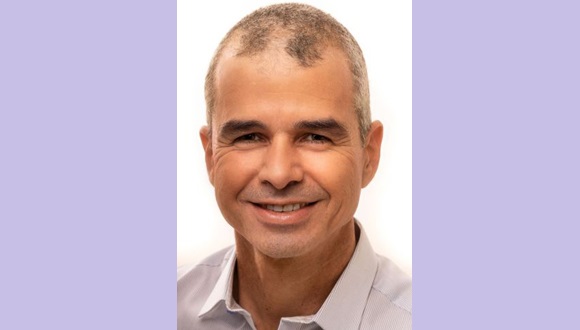
Prof. Shai Efrati
Hyperbaric medicine is a form of treatment in which the patients stay in special chambers where the pressure is higher than the atmospheric pressure at sea level, and where the patients breathe 100% oxygen. Hyperbaric medicine is considered safe, used in many places including Israel, and is already used to treat a long list of medical conditions.
In recent years, scientific evidence has been accumulating that certain, newly developed, dedicated hyperbaric treatment protocols can lead to the growth of new blood vessels and neurons in the brain.
"Overall, existing treatments are not good enough. [Fibromyalgia] is a chronic disease that significantly affects the quality of life, including young people, and hyperbaric medicine meets an acute need of these patients." Prof. Jacob Ablin
In their current study, the researchers from Tel Aviv University recruited 64 Israelis aged 18 and older who suffered from fibromyalgia as a result of a head injury, and randomly divided them into two groups: one group was exposed to 100% pure oxygen at a pressure of two atmospheres for 90 minutes (with fluctuations in oxygen during the treatment every 20 minutes), five days a week, for three months. The second group received the conventional pharmacological treatment (i.e., the drugs pregabalin, which is known under the trade name "Lyrica", and duloxetine, which is better known as "Cymbalta").
"The results were dramatic," says Prof. Efrati. "At the end of the treatment, two out of five patients in the hyperbaric treatment group showed such a significant improvement that they no longer met the criteria for fibromyalgia. In the drug treatment group, this did not happen to any patient. Furthermore, the average improvement in the pain threshold tests was 12 times better in the hyperbaric group compared to the medication group. And in terms of quality-of-life indicators, as reported by the patients, we saw significant improvements in all the indicators among the patients who received hyperbaric treatment."
"Today's accepted treatment for fibromyalgia includes pharmacologic and non-pharmacologic components," says Prof. Ablin. "with respect to the pharmacologic approach, these drugs are not very effective and therefore the emphasis is on the non-pharmacological side, that is, on external correction of pain processing within the nervous system. Currently used recommendations includes aerobic activity, hydrotherapy, cognitive-behavioral therapy and movement-based therapies such as Tai Chi. In addition, quite a few patients request treatment with medical cannabis, and for some it helps."
"In the group that received hyperbaric treatment, you could see the repair of the brain tissue, while in the control group there was only an attempt to relieve the pain - without treating the damaged tissue - and of course the medication group experienced the side effects associated with drug treatment." Prof. Shai Efrati
"Overall, existing treatments are not good enough. [Fibromyalgia] is a chronic disease that significantly affects the quality of life, including young people, and hyperbaric medicine meets an acute need of these patients. Of course, these are preliminary studies, and we must follow and see what effect the medical protocol has on the patients after one, two and three years - and if it is necessary to maintain the positive results with further exposure to hyperbaric sessions."
According to Prof. Efrati, the importance of the research is in healing the damaged brain tissue - and not in treating its superficial symptoms: "In the group that received hyperbaric treatment, you could see the repair of the brain tissue, while in the control group there was only an attempt to relieve the pain - without treating the damaged tissue - and of course the medication group experienced the side effects associated with drug treatment. This is a difference in approach: to cure instead of just treating the symptoms."
"We assessed the improvement of the participants in the hyperbaric group more than a week after the last hyperbaric session. More follow-up studies are needed to see the duration of the beneficial effect of the treatment and if and for whom additional treatment will be needed. Our goal as doctors is not only to treat the symptoms but, to the extent possible, also to treat the source of the problem, thus improving the quality of life of fibromyalgia patients."
"It is important to emphasize that the dedicated hyperbaric oxygen treatment protocol found to be effective is only available in medical centers that have licensed hyperbaric chambers. Be careful of so-called 'private chambers', since these cannot provide the therapeutic protocol found to be effective, and they are not regulated or approved for medical use," cautions Prof. Efrati.